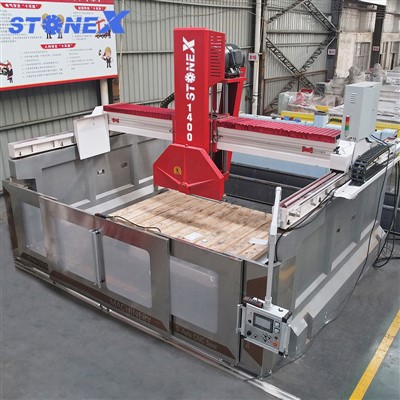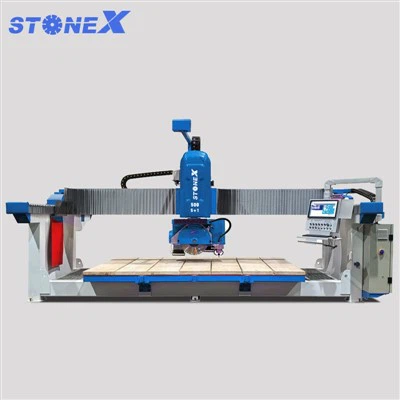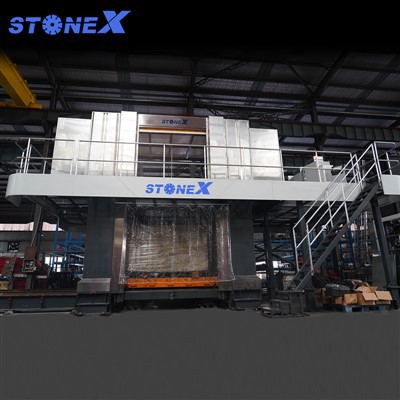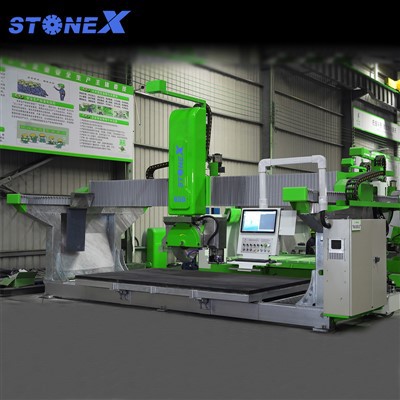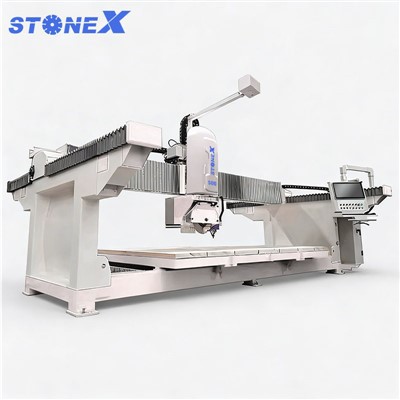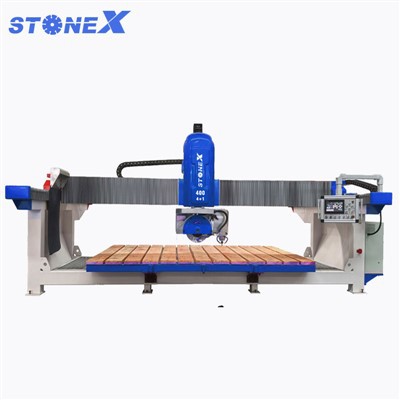


As a supplier of Bridge Saw Cutting Machines, I often receive inquiries from customers about various aspects of our products. One question that comes up frequently is, "What is the noise level of a Bridge Saw Cutting Machine during operation?" In this blog post, I'll delve into this topic, exploring the factors that influence the noise level, typical noise ranges, and how we address noise concerns in our machines.
Factors Influencing the Noise Level of Bridge Saw Cutting Machines
Several factors can affect the noise level produced by a Bridge Saw Cutting Machine during operation. Understanding these factors is crucial for both manufacturers and users to manage noise effectively.
1. Cutting Speed and Feed Rate
The cutting speed and feed rate of the saw blade play a significant role in determining the noise level. Higher cutting speeds and feed rates generally result in more intense vibrations and friction between the blade and the material being cut, leading to increased noise. For example, when cutting hard materials like granite at a high speed, the saw blade has to work harder, generating more noise compared to cutting softer materials at a lower speed.
2. Blade Type and Condition
The type and condition of the saw blade also impact the noise level. A dull or damaged blade can cause uneven cutting, leading to increased vibrations and noise. Different blade designs and tooth configurations are optimized for specific materials and cutting applications. Using the wrong blade for a particular material can result in sub - optimal cutting performance and higher noise levels. For instance, a blade designed for cutting marble may not be suitable for cutting concrete, and using it in such a scenario can lead to excessive noise.
3. Material Being Cut
The hardness, density, and composition of the material being cut are important factors. Harder and denser materials, such as quartzite or basalt, require more force to cut, which can generate more noise. Additionally, materials with irregular textures or inclusions can cause the saw blade to vibrate more as it encounters these variations, increasing the noise level.
4. Machine Design and Construction
The design and construction of the Bridge Saw Cutting Machine itself can influence the noise level. A well - engineered machine with proper vibration isolation and damping mechanisms can reduce noise transmission. For example, machines that use high - quality bearings and have a rigid frame structure are less likely to produce excessive noise due to vibrations. On the other hand, a poorly designed machine with loose components or inadequate support can amplify noise.
Typical Noise Ranges of Bridge Saw Cutting Machines
The noise level of a Bridge Saw Cutting Machine can vary widely depending on the factors mentioned above. In general, during normal operation, the noise level can range from 80 to 100 decibels (dB).
At the lower end of the range (around 80 dB), the machine may be operating at a relatively slow speed, cutting a soft material, or it may have advanced noise - reduction features. This level of noise is comparable to the noise of heavy traffic on a busy street.
In the middle of the range, around 90 dB, the machine is likely cutting a medium - hardness material at a moderate speed. This noise level is similar to the noise produced by a lawn mower.
At the upper end of the range (up to 100 dB), the machine may be cutting a hard material at a high speed, or it may have some issues with the blade or machine components. A noise level of 100 dB is comparable to the noise of a jackhammer.
It's important to note that prolonged exposure to noise levels above 85 dB can cause hearing damage. Therefore, it's essential for operators to take appropriate safety measures, such as wearing ear protection.
How We Address Noise Concerns in Our Bridge Saw Cutting Machines
As a supplier, we are committed to providing high - quality machines that not only perform well but also meet the needs of our customers in terms of noise reduction.
1. Advanced Design and Engineering
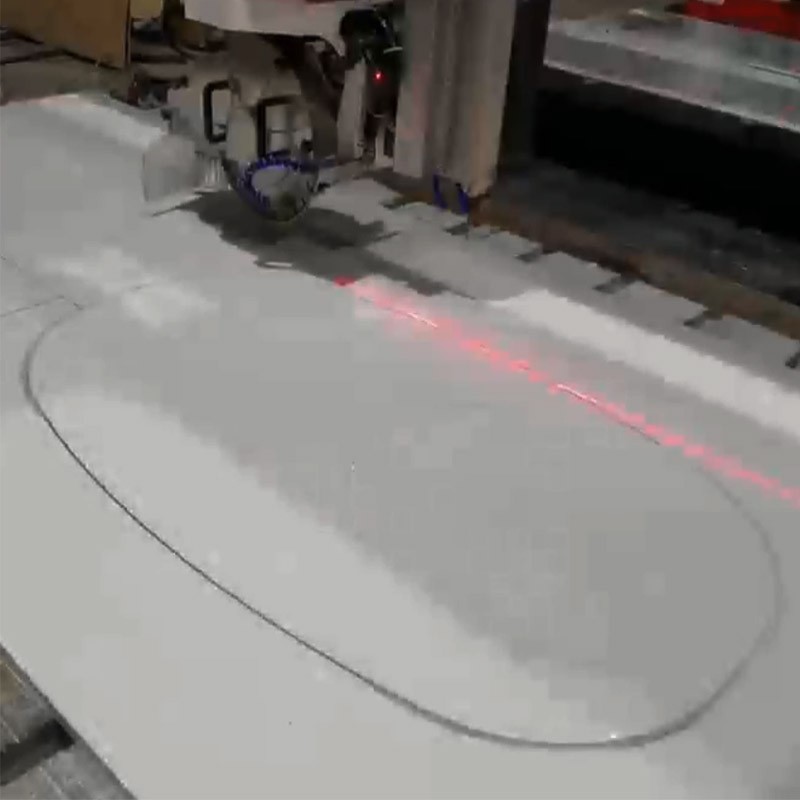
We invest heavily in research and development to design machines with advanced noise - reduction features. Our engineers use state - of - the - art computer - aided design (CAD) and simulation tools to optimize the machine's structure and components for minimal noise generation. For example, we use vibration - damping materials in key areas of the machine to absorb and reduce vibrations, which in turn reduces noise.
2. High - Quality Components
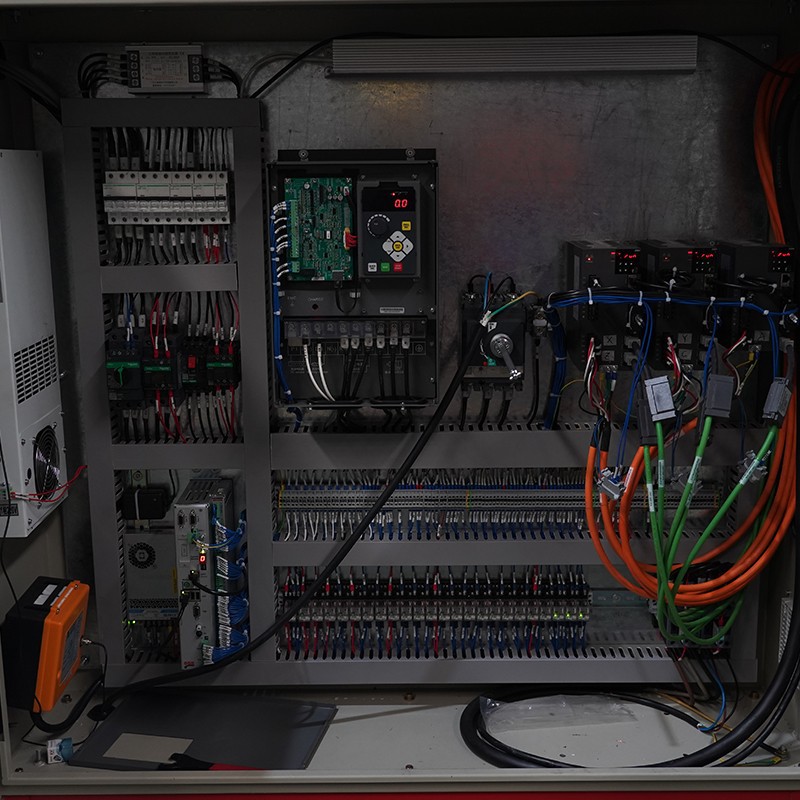
We source high - quality components for our Bridge Saw Cutting Machines. This includes premium saw blades, bearings, and motors. High - quality blades are designed to cut smoothly and efficiently, reducing vibration and noise. Similarly, well - made bearings and motors operate more quietly and reliably, contributing to a lower overall noise level.
3. Regular Maintenance and Support
We provide comprehensive maintenance and support services to our customers. Regular maintenance, such as blade sharpening and component inspection, can help ensure that the machine operates at its optimal noise level. Our technical support team is always available to assist customers with any noise - related issues they may encounter.
Our Range of Bridge Saw Cutting Machines
In addition to addressing noise concerns, we offer a wide range of Bridge Saw Cutting Machines to meet the diverse needs of our customers. Here are some of our popular models:
- Stone 5 Axis CNC Cutting Machine: This advanced machine offers precise cutting capabilities with five - axis control, suitable for complex stone cutting projects.
- 5 Axis Bridge Saw for Marble: Specifically designed for cutting marble, this machine combines high performance with low noise operation.
- 5 Axis Stone CNC Cutting Machine: Ideal for cutting various types of stone, this machine provides accurate and efficient cutting with reduced noise.
- Bridge Stone Cutting Machine: A versatile machine that can handle a wide range of stone cutting tasks, with features designed to minimize noise.
- 4+1 Axis Bridge Saw: This machine offers a good balance between cutting performance and cost - effectiveness, while also keeping noise levels in check.
Contact Us for Purchasing and Consultation
If you are in the market for a Bridge Saw Cutting Machine and have questions about noise levels, cutting performance, or any other aspect of our products, we invite you to contact us. Our team of experts is ready to assist you in selecting the right machine for your specific needs. Whether you are a small - scale stone fabricator or a large - scale industrial operation, we have the solution for you.
References
- ISO 11200: Acoustics - Determination of sound power levels of noise sources using sound pressure - Engineering methods for an essentially free field over a reflecting plane.
- OSHA (Occupational Safety and Health Administration) regulations on noise exposure in the workplace.
- Manufacturer's specifications and technical documentation for Bridge Saw Cutting Machines.