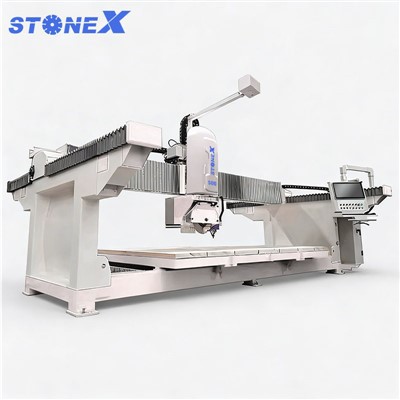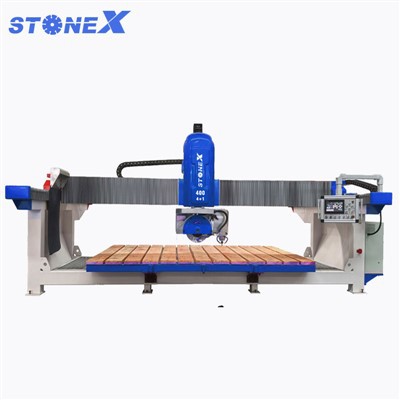


Hey there! As a supplier of CNC granite saws, I've seen firsthand how crucial it is to train operators properly. A well-trained operator can not only ensure the smooth operation of the machine but also maximize its efficiency and lifespan. In this blog, I'll share some tips on how to train operators to use a CNC granite saw.
1. Start with the Basics
Before diving into the complex functions of a CNC granite saw, operators need to have a solid understanding of the basic concepts. This includes familiarizing them with the machine's components, such as the saw blade, spindle, and control panel. You can provide them with a detailed manual or conduct an in - person demonstration to show how these parts work together.
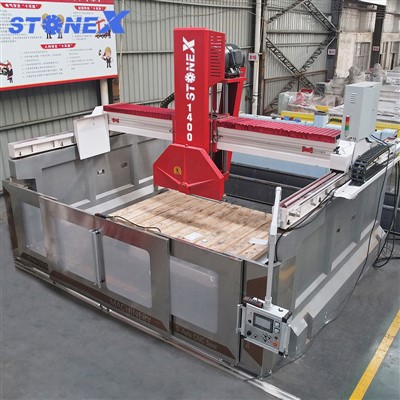
For example, when introducing the saw blade, explain its different types and how to choose the right one for different granite materials. The 1400mm Blade Stone Bridge Saw is a popular model, and operators should know how to install and replace the blade safely.
2. Safety First
Safety is of utmost importance when operating a CNC granite saw. Train operators on all the safety procedures, including wearing appropriate personal protective equipment (PPE) like safety glasses, gloves, and ear protection. Teach them how to properly lock out the machine before performing maintenance or cleaning and how to handle emergency situations.
Show them the location of all the safety features on the machine, such as emergency stop buttons and safety guards. Make sure they understand that any violation of safety rules can lead to serious injuries.

3. CNC Programming Basics
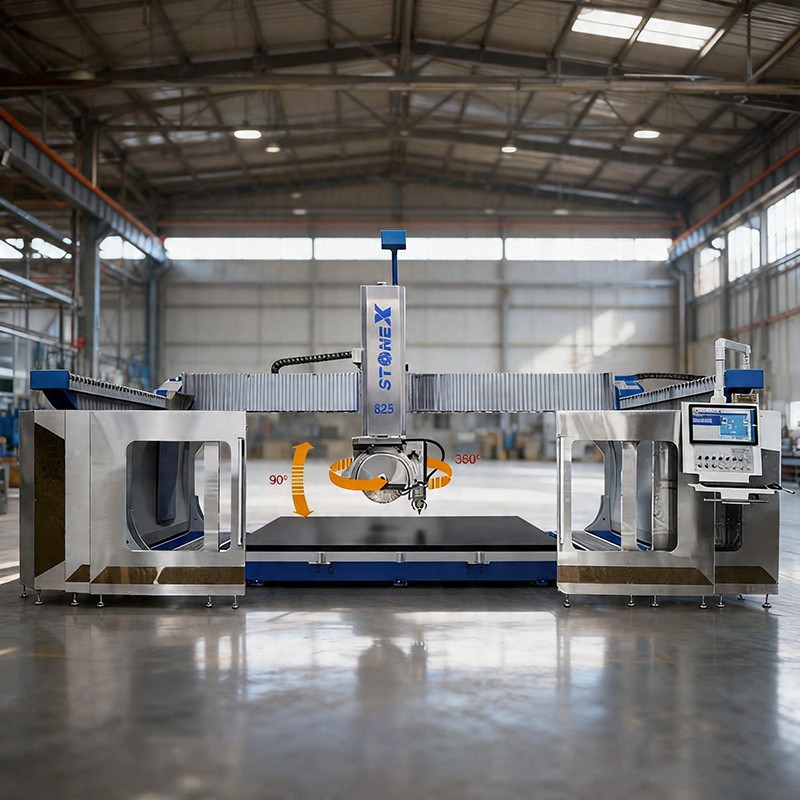
CNC granite saws are controlled by computer - numerical - control (CNC) systems. Operators need to learn the basics of CNC programming. Start with simple programs that involve straight cuts and basic shapes. You can use simulation software to let them practice programming without actually operating the machine.
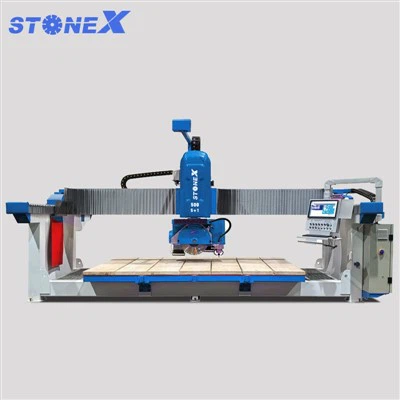
For instance, if you're using a 4+1 Axis CNC Bridge Saw, teach them how to program the different axes to achieve precise cuts. Explain concepts like G - codes and M - codes, which are used to control the machine's movement and functions.
4. Machine Operation Training
Once operators have a good understanding of the basics and safety procedures, it's time to start hands - on machine operation training. Begin with simple tasks, such as setting up the granite slab on the machine table and adjusting the cutting parameters.
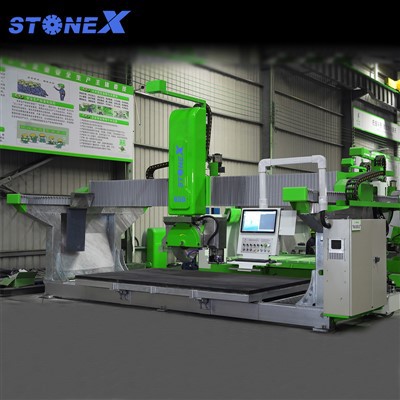
Let them practice making straight cuts and gradually introduce more complex cuts, like bevel cuts and curved cuts. The 5 Axis Sawjet allows for more complex cutting operations, so operators need to be trained on how to use its multiple axes effectively.
5. Maintenance and Troubleshooting
Proper maintenance is essential for the long - term performance of a CNC granite saw. Train operators on routine maintenance tasks, such as cleaning the machine, lubricating moving parts, and checking the saw blade for wear.
Also, teach them how to troubleshoot common problems. For example, if the machine is making unusual noises or the cuts are not accurate, they should know how to identify the possible causes and take appropriate actions. If they can't solve the problem themselves, they should know when to contact technical support.
6. Quality Control
Operators need to understand the importance of quality control. Teach them how to measure the dimensions of the cut granite pieces accurately using tools like calipers and rulers. They should also be able to identify surface defects, such as chipping or unevenness, and know how to adjust the cutting parameters to improve the quality of the cuts.
7. Continuous Learning
The field of CNC technology is constantly evolving. Encourage operators to engage in continuous learning. You can provide them with access to online resources, industry forums, or training courses to keep them updated on the latest trends and techniques.
8. Real - World Scenarios
To make the training more practical, expose operators to real - world scenarios. For example, give them a variety of granite slabs with different thicknesses, hardness, and patterns to cut. This will help them develop the skills to handle different situations and make quick decisions.
9. Teamwork and Communication
In a production environment, operators need to work effectively as a team. Train them on the importance of communication and teamwork. They should be able to communicate with other operators, supervisors, and maintenance staff to ensure the smooth operation of the production line.
10. Feedback and Evaluation
Regularly provide feedback to operators on their performance. Let them know what they're doing well and where they need to improve. Conduct periodic evaluations to assess their skills and knowledge. Based on the evaluation results, you can provide additional training if necessary.
If you're interested in our CNC granite saws, such as the Bridge Saw Cutting Machine or the CNC 5 Axis Bridge Saw Machine, and want to discuss your specific requirements, feel free to reach out to us. We're here to help you find the right solution for your business.
References
- "CNC Machining Handbook" by John Doe
- "Granite Cutting Technology" by Jane Smith
- Industry reports on CNC granite saws from various research firms