

Hey there! As a bridge saw supplier, I've dealt with the ins and outs of transporting these heavy - duty machines. It's not as simple as just loading it onto a truck and hitting the road. In this blog, I'll share some tips on how to transport a bridge saw safely and efficiently.
First off, let's talk about why proper transportation matters. Bridge saws are expensive and delicate pieces of equipment. They're designed to cut through hard materials like granite and marble with precision. If they're not transported correctly, they can get damaged, which means costly repairs and delays for your clients.
Pre - Transport Preparation
Before you even think about moving the bridge saw, you need to do a thorough inspection. Check for any loose parts, damaged components, or signs of wear and tear. Make a list of everything you find and decide if any repairs or adjustments need to be made before transport. This step is crucial because it can prevent further damage during the journey.
Next, you'll need to gather the right tools and materials for the job. You'll need straps, padding, and a forklift or crane to lift the saw onto the transport vehicle. Make sure the straps are strong enough to hold the weight of the saw, and the padding will protect it from scratches and dents.
Disassembly
In most cases, it's a good idea to disassemble the bridge saw before transport. This makes it easier to handle and reduces the risk of damage. Start by disconnecting all the electrical and hydraulic connections. Label each connection clearly so you can easily reconnect them later.
Remove any detachable parts like the saw blade, control panel, and any accessories. Place these parts in a secure container and label them as well. This will ensure that nothing gets lost during transportation.
Securing the Saw
Once the saw is disassembled, it's time to secure it for transport. Place the main body of the saw on a flatbed trailer or a shipping container. Use the straps to secure it tightly to the trailer or container. Make sure the saw is centered and balanced to prevent it from shifting during transit.
Add padding between the saw and the trailer or container to protect it from vibrations and shocks. You can use foam, rubber, or any other soft material that will absorb the impact.
Choosing the Right Transport Vehicle
The type of transport vehicle you choose depends on the size and weight of the bridge saw. For smaller saws, a flatbed truck may be sufficient. However, for larger and heavier saws, you may need a specialized transport vehicle like a low - loader or a container truck.
Make sure the transport vehicle has the necessary permits and certifications to carry heavy equipment. Check the vehicle's suspension, brakes, and tires to ensure they're in good condition.
Loading and Unloading
Loading and unloading the bridge saw is a critical step. Use a forklift or a crane to lift the saw onto the transport vehicle. Make sure the operator is experienced and trained to handle heavy equipment.
When unloading the saw at the destination, follow the same safety procedures. Take your time and be careful not to damage the saw or the surrounding area.
Documentation
Don't forget about the paperwork! You'll need to have all the necessary documentation for the transport, including a bill of lading, insurance documents, and any permits required for transporting heavy equipment. Keep these documents in a safe place and make sure they're easily accessible.
Examples of Bridge Saws
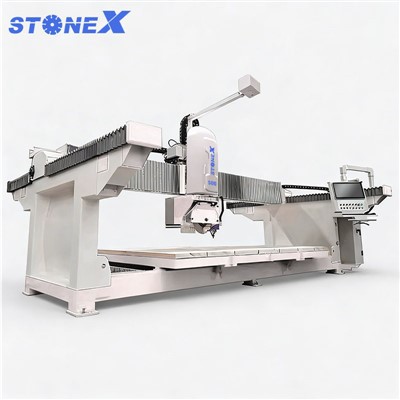
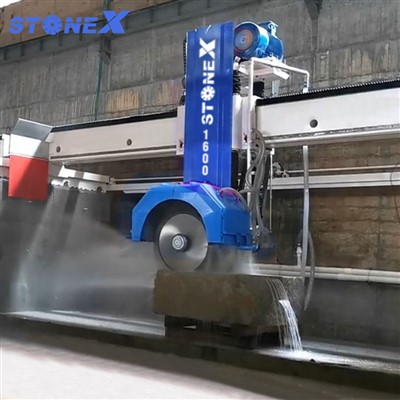
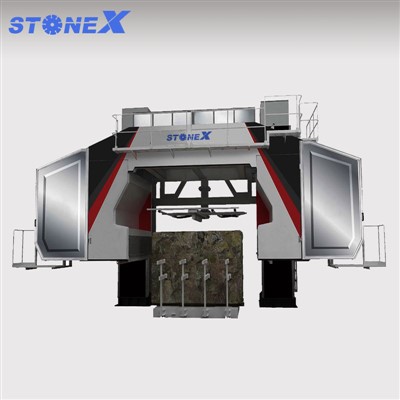
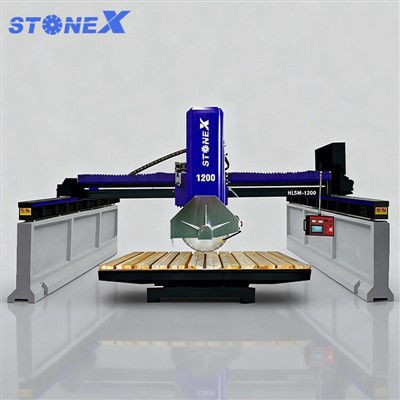
If you're in the market for a bridge saw, we have a great selection. Check out our Granite Cutting Bridge Saw, which is perfect for cutting through granite with precision. We also have the 5+1 Axis Bridge Cutting Machine, which offers more flexibility and accuracy in cutting. And for those who need advanced features, our CNC Bridge Saw is a top - notch option.


Conclusion
Transporting a bridge saw requires careful planning and attention to detail. By following these steps, you can ensure that your bridge saw arrives at its destination safely and in good condition. If you have any questions about transporting a bridge saw or if you're interested in purchasing one of our high - quality bridge saws, don't hesitate to reach out. We're here to help you every step of the way. Whether you're a small - scale contractor or a large - scale manufacturing company, we have the right bridge saw for your needs. Contact us today to start the conversation and let's find the perfect solution for your business.
References
- Industry best practices for heavy equipment transportation
- Manufacturer's guidelines for bridge saw disassembly and transport