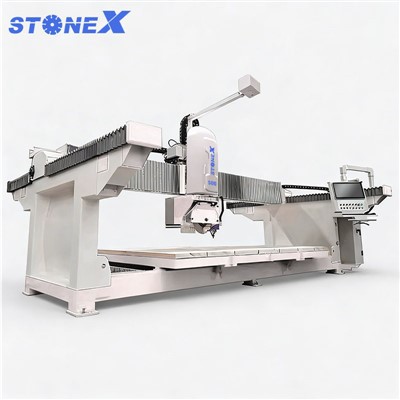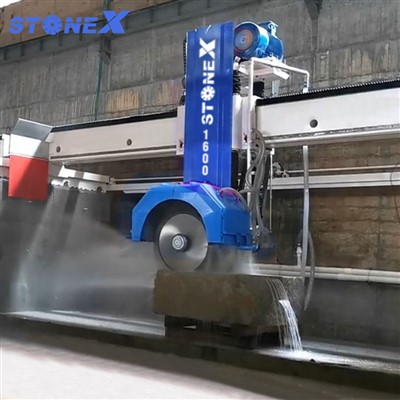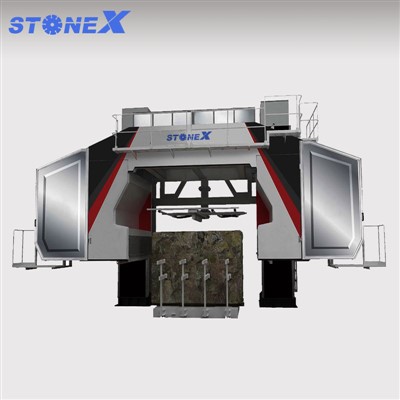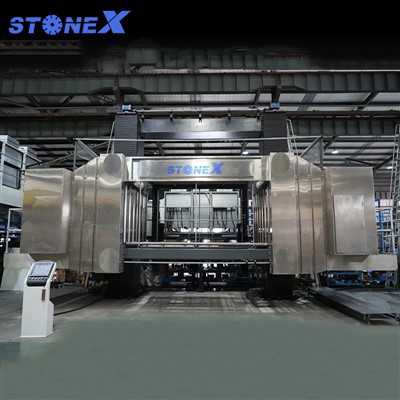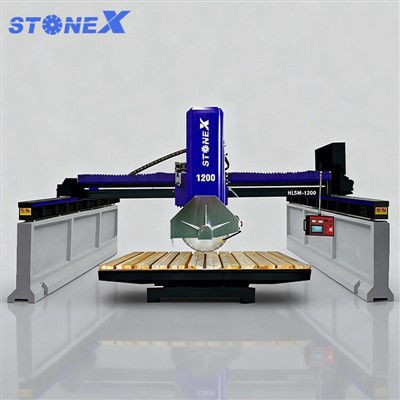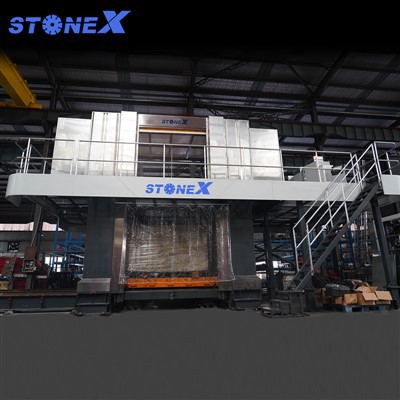


In the construction and stone processing industries, block cutting machines are indispensable tools. As a block cutting machine supplier, I have witnessed the widespread use of these machines in various projects. However, it is essential to understand the environmental impacts associated with their use to promote sustainable practices in the industry.
1. Energy Consumption
One of the most significant environmental impacts of using a block cutting machine is its energy consumption. Most block cutting machines, including the Stone Multi Wire Saw Cutting Machine and Stone Multi Wire Saw, rely on electricity or fuel to operate. These machines are often large - scale and require a substantial amount of power to cut through hard materials like stone and concrete.
The high energy demand means that they contribute to the overall consumption of non - renewable energy sources, such as coal and natural gas, if the electricity is sourced from traditional power plants. The burning of these fossil fuels releases large amounts of greenhouse gases, including carbon dioxide, methane, and nitrous oxide, into the atmosphere. These gases trap heat and contribute to global warming and climate change.
To mitigate this impact, many modern block cutting machines are being designed with energy - efficient features. For example, some Block Multi Wire Saw Machine models use advanced motor technologies that reduce power consumption without sacrificing cutting performance. Additionally, the integration of intelligent control systems allows the machines to adjust their energy usage based on the cutting requirements, minimizing wastage.
2. Noise Pollution
Block cutting machines generate a significant amount of noise during operation. The cutting process, especially when dealing with hard materials, involves the high - speed rotation of blades or the movement of wires, which creates loud and continuous noise. This noise can have a negative impact on the environment and the health of workers and nearby residents.


Excessive noise can cause hearing problems, stress, and sleep disturbances. In industrial settings where block cutting machines are used, workers are at a high risk of developing noise - induced hearing loss if they are not provided with proper hearing protection. Moreover, in urban areas, the noise from these machines can disrupt the peace of residential neighborhoods, affecting the quality of life for local residents.
Manufacturers are taking steps to reduce the noise levels of block cutting machines. They are using noise - absorbing materials in the machine's construction and improving the design of the cutting components to minimize vibrations and noise generation. However, operators also need to follow proper safety procedures, such as using earplugs and maintaining a safe distance from the machine during operation.
3. Air Pollution
The cutting process of block cutting machines can generate a considerable amount of dust and particulate matter. When cutting materials like stone, concrete, and brick, fine particles are released into the air. These particles can be inhaled by workers and nearby individuals, causing respiratory problems such as asthma, bronchitis, and lung cancer.
In addition to dust, some block cutting machines that use fuel - powered engines emit exhaust gases. These gases contain pollutants such as carbon monoxide, nitrogen oxides, and particulate matter. Combustion of fuel in engines also releases volatile organic compounds (VOCs) which contribute to the formation of ground - level ozone, a harmful air pollutant.
To control air pollution, dust suppression systems are often installed on block cutting machines. These systems use water sprays or air filters to capture and remove dust particles from the air. Additionally, the use of electric - powered machines can significantly reduce exhaust emissions compared to fuel - powered ones.
4. Water Pollution
Many block cutting machines use water as a coolant and lubricant during the cutting process. This water comes into contact with the cutting materials and can pick up various pollutants, such as dust, debris, and chemical additives used in the cutting process. If this contaminated water is not properly treated before being discharged, it can cause water pollution.
The pollutants in the water can harm aquatic life by reducing oxygen levels, introducing toxic substances, and altering the pH balance of the water. In some cases, the sediment in the water can also clog waterways and affect the natural flow of water.
To prevent water pollution, proper water treatment facilities should be in place at the cutting sites. These facilities can filter out the solid particles and treat the water to remove any harmful chemicals before it is released back into the environment. Recycling the used water for further cutting operations can also significantly reduce water consumption and the associated pollution.
5. Waste Generation
The use of block cutting machines generates a large amount of waste material. During the cutting process, a significant portion of the block is removed as waste in the form of small fragments and dust. This waste can accumulate quickly, especially in large - scale construction and stone processing projects.
If not properly managed, this waste can take up valuable landfill space and contribute to environmental degradation. Some of the waste materials, such as stone and concrete, can be recycled and reused. For example, crushed stone can be used as aggregate in road construction or concrete production.
As a block cutting machine supplier, we encourage our customers to adopt waste management strategies. Manufacturers are also developing machines that can reduce the amount of waste generated during the cutting process. For instance, some advanced cutting techniques can optimize the cutting path to minimize the amount of material removed.
Conclusion and Call to Action
Understanding the environmental impacts of using block cutting machines is crucial for the sustainable development of the construction and stone processing industries. While these machines play a vital role in modern infrastructure development, we must take steps to minimize their negative environmental effects.
As a leading supplier of block cutting machines, we are committed to providing our customers with energy - efficient, low - noise, and environmentally friendly machine options. Our Stone Multi Wire Saw Cutting Machine, Stone Multi Wire Saw, and Block Multi Wire Saw Machine are designed with the latest technologies to reduce energy consumption, noise, air and water pollution, and waste generation.
If you are in the market for a high - quality block cutting machine and are concerned about environmental sustainability, we invite you to contact us for more information. Our team of experts is ready to assist you in selecting the most suitable machine for your needs and provide guidance on sustainable operation and maintenance.
References
- Environmental Protection Agency. (2023). Industrial Noise Pollution: Impacts and Mitigation.
- World Health Organization. (2022). Air Quality Guidelines: Particulate Matter.
- United Nations Environment Programme. (2021). Sustainable Waste Management in the Construction Industry.