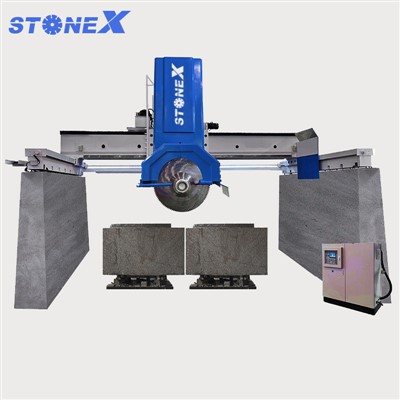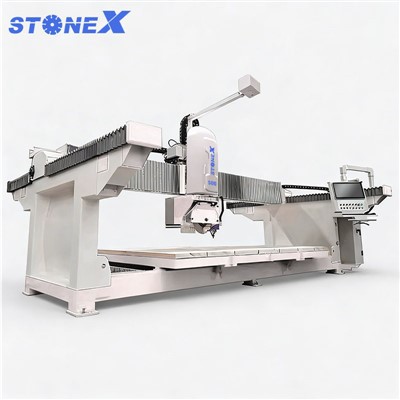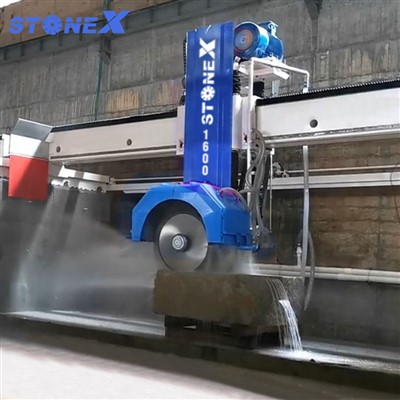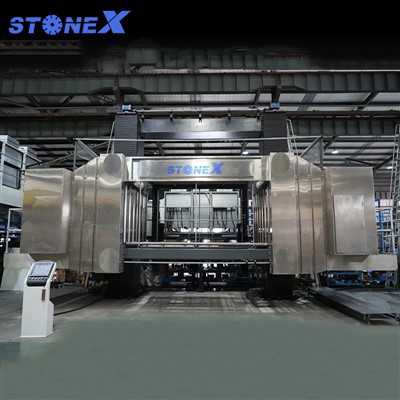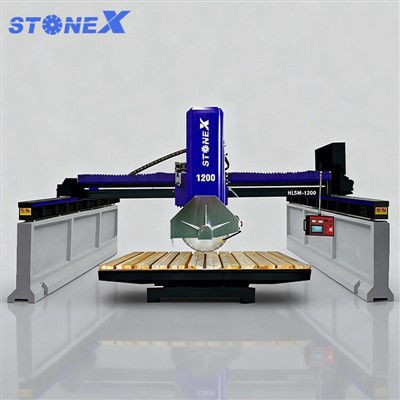


As a supplier of Stone Multi Blade Cutting Machine, I understand the importance of high-quality cutting in the stone processing industry. Achieving excellent cutting quality not only enhances the value of the finished products but also improves production efficiency and reduces costs. In this blog, I will share some practical tips on how to improve the cutting quality of a stone multi blade cutting machine.
1. Machine Selection and Setup
1.1 Choose the Right Machine
Selecting the appropriate Stone Multi Blade Cutting Machine for your specific needs is crucial. Consider factors such as the type of stone you will be cutting, the required cutting thickness, and the production volume. Different machines are designed to handle various stone materials and cutting requirements. For example, if you are cutting hard granite, you need a machine with more powerful motors and high-quality blades.
1.2 Proper Installation and Calibration
Ensure that the machine is installed on a stable and level surface. Improper installation can lead to vibrations during the cutting process, which will affect the cutting quality. After installation, perform a thorough calibration of the machine. This includes checking the alignment of the blades, the parallelism of the cutting guides, and the accuracy of the cutting depth control. Regularly calibrating the machine can help maintain consistent cutting quality over time.
2. Blade Selection and Maintenance
2.1 Select the Right Blades
The choice of blades has a significant impact on the cutting quality. Different types of stones require different blade specifications. For softer stones like marble, blades with a finer grit and a softer bond are usually more suitable. In contrast, for harder stones such as granite, blades with a coarser grit and a harder bond are needed. Additionally, consider the blade diameter, thickness, and the number of segments. A larger blade diameter can provide a deeper cutting depth, while a thinner blade can reduce the amount of material wasted during cutting.
2.2 Blade Maintenance
Proper blade maintenance is essential for achieving high-quality cuts. Keep the blades clean and free from debris. After each use, clean the blades with a suitable cleaning agent to remove any stone dust or resin buildup. Regularly inspect the blades for signs of wear and damage, such as chipped segments or uneven wear patterns. Replace worn or damaged blades promptly to ensure consistent cutting quality. Also, make sure to store the blades in a dry and clean environment to prevent rusting.
3. Cutting Parameters Optimization
3.1 Cutting Speed
The cutting speed is one of the most critical parameters that affect the cutting quality. A too-high cutting speed can cause the blades to overheat, leading to premature wear and a poor surface finish. On the other hand, a too-low cutting speed can result in inefficient production. The optimal cutting speed depends on the type of stone, the blade specifications, and the machine's capabilities. It is recommended to start with a lower cutting speed and gradually increase it while monitoring the cutting quality and the condition of the blades.
3.2 Feed Rate
The feed rate refers to the speed at which the stone block is fed into the cutting machine. Similar to the cutting speed, an appropriate feed rate is crucial for achieving high-quality cuts. A too-high feed rate can cause the blades to overload, resulting in uneven cuts and blade damage. A too-low feed rate, however, can lead to excessive heat generation and a longer cutting time. Adjust the feed rate based on the stone hardness, the blade sharpness, and the cutting speed.
3.3 Cutting Depth
The cutting depth should be carefully controlled to ensure a smooth and consistent cut. A too-deep cutting depth can put excessive stress on the blades, leading to breakage or uneven cuts. It is advisable to make multiple passes with a shallower cutting depth rather than a single pass with a deep cut, especially when cutting hard or thick stone blocks.
4. Cooling and Lubrication
4.1 Cooling System
A proper cooling system is essential for maintaining the performance of the blades and improving the cutting quality. During the cutting process, a significant amount of heat is generated due to the friction between the blades and the stone. If this heat is not dissipated effectively, it can cause the blades to overheat, leading to blade wear and a poor surface finish. Most Stone Multi Blade Cutting Machine are equipped with a water cooling system. Ensure that the cooling water is flowing smoothly and is at an appropriate temperature. Regularly check the water level and the condition of the cooling system components, such as the pumps and hoses, to ensure proper functioning.
4.2 Lubrication
In addition to cooling, lubrication can also help reduce friction and improve the cutting quality. Some cutting machines use a lubricant in the cooling water to enhance the lubricating effect. The lubricant can reduce the wear on the blades and the stone surface, resulting in a smoother cut. Choose a high-quality lubricant that is compatible with the stone and the cutting machine.
5. Operator Training and Skill
5.1 Operator Training
Well-trained operators are essential for achieving high-quality cuts. Provide comprehensive training to your operators on the proper use and maintenance of the Stone Multi Blade Cutting Machine. The training should cover topics such as machine operation, blade selection and replacement, cutting parameter adjustment, and safety procedures. Operators should also be trained to recognize and troubleshoot common problems that may occur during the cutting process.
5.2 Operator Skill
In addition to training, the operator's skill and experience also play an important role in the cutting quality. Experienced operators can make more accurate judgments and adjustments during the cutting process. Encourage your operators to continuously improve their skills through practice and learning. Provide them with opportunities to participate in industry training courses and workshops to stay updated with the latest cutting techniques and technologies.
6. Quality Control and Inspection
6.1 In-process Inspection
Implement in-process inspection procedures to monitor the cutting quality during the production process. Regularly check the surface finish, the dimensional accuracy, and the parallelism of the cut stone slabs. Use appropriate measuring tools, such as calipers, micrometers, and straightedges, to ensure that the products meet the required quality standards. If any quality issues are detected, stop the production immediately and take corrective measures.


6.2 Final Inspection
Perform a final inspection on the finished products before they are shipped to the customers. This includes a more comprehensive inspection of the surface quality, the dimensional accuracy, and the overall appearance of the stone slabs. Only products that pass the final inspection should be released for sale.
Contact for Purchase and Negotiation
Improving the cutting quality of a Stone Multi Blade Cutting Machine requires a combination of proper machine selection, blade maintenance, parameter optimization, and operator skill. If you are interested in purchasing a Stone Block Multi Blade Saw or a Stone Multi Wire Saw Cutting Machine, or if you have any questions about improving the cutting quality, please feel free to contact us for further negotiation and discussion. We are committed to providing you with high-quality products and professional technical support.
References
- [1] Smith, J. (2020). Stone Cutting Technology: Principles and Practices. New York: Stone Press.
- [2] Johnson, A. (2019). The Art of Stone Processing: Tips and Tricks. London: Stone Industry Publishing.