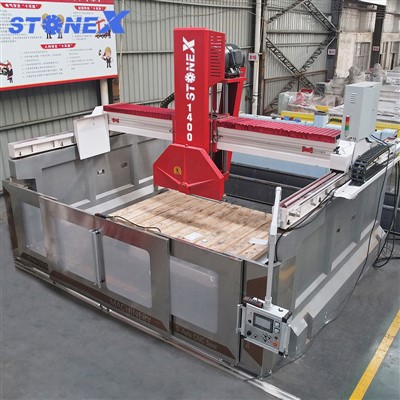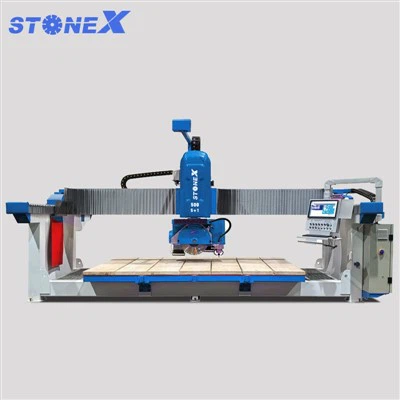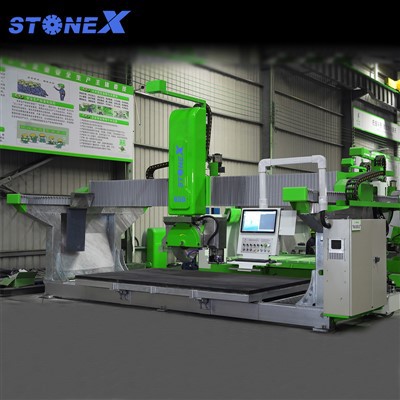


Regular cleaning of a CNC granite saw after use is crucial for maintaining its performance, extending its lifespan, and ensuring high - quality cutting results. As a reputable CNC Granite Saw supplier, I understand the importance of proper maintenance and cleaning procedures. In this blog, I will share a comprehensive guide on how to clean a CNC granite saw after use.
Step 1: Power Down and Safety Precautions
Before starting the cleaning process, it is essential to power down the CNC granite saw. Turn off the main power switch and unplug the machine from the electrical outlet. This prevents any accidental activation during the cleaning process, which could lead to serious injuries.
Additionally, wear appropriate personal protective equipment (PPE), such as safety goggles, gloves, and a dust mask. Granite dust can be harmful if inhaled, and the cleaning process may involve handling sharp objects or chemicals.
Step 2: Remove Loose Debris
Use a soft - bristle brush or a compressed air gun to remove loose granite chips, dust, and debris from the saw's surface. Start from the top of the machine and work your way down. Pay special attention to areas around the cutting blade, guide rails, and motor housing.
The cutting blade is a critical component of the CNC granite saw. Remove any large chips or debris stuck to the blade carefully. Avoid using sharp objects that could damage the blade. If there are stubborn particles, you can use a blade cleaning solution recommended by the manufacturer.
Step 3: Clean the Guide Rails
The guide rails are responsible for the smooth movement of the saw's cutting head. Over time, granite dust and debris can accumulate on the guide rails, causing friction and affecting the accuracy of the cutting.
To clean the guide rails, first, use a clean cloth or a brush to remove the loose dust. Then, apply a small amount of a suitable rail lubricant. This lubricant not only helps in reducing friction but also protects the rails from corrosion. Wipe the rails with a clean cloth to spread the lubricant evenly.
Step 4: Clean the Cutting Table
The cutting table is where the granite slabs are placed during the cutting process. It can accumulate a significant amount of dust and debris. Start by scraping off any large pieces of granite using a plastic scraper. Be careful not to scratch the table surface.
After removing the large debris, use a mild detergent and warm water to clean the table. Dip a soft cloth in the soapy water and wring it out well. Wipe the table surface thoroughly, paying attention to the corners and edges. Rinse the cloth frequently and change the water if it becomes too dirty.
Once the table is clean, dry it with a clean, dry cloth to prevent rusting. You can also apply a thin layer of a table protectant to keep the surface in good condition.
Step 5: Clean the Coolant System
The coolant system in a CNC granite saw helps in keeping the cutting blade cool and flushing away the debris. Over time, the coolant can become contaminated with granite dust and other particles.
First, drain the coolant from the system according to the manufacturer's instructions. This usually involves opening a drain valve and letting the coolant flow into a suitable container.
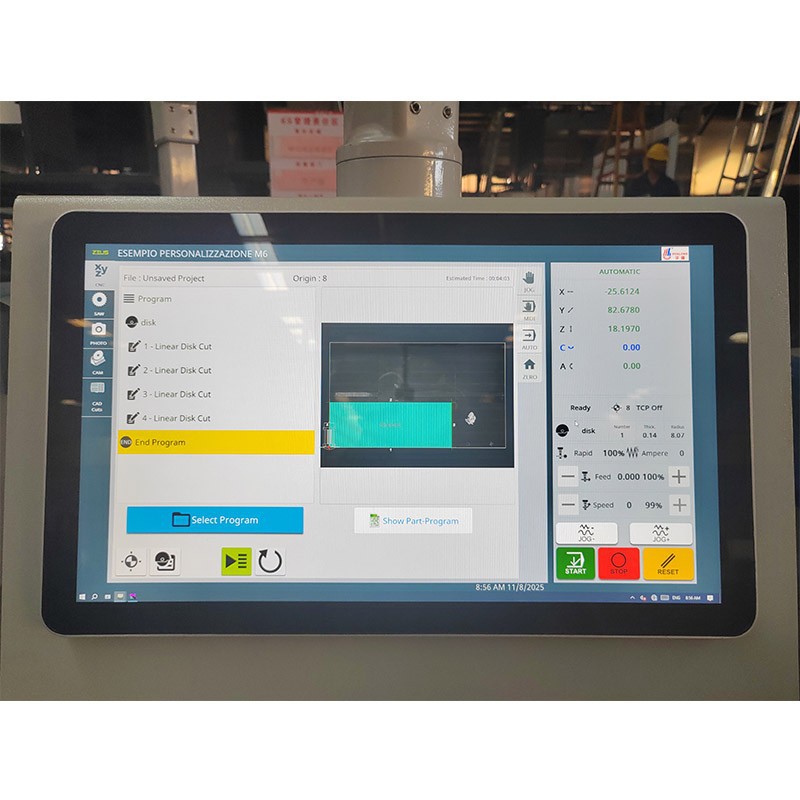
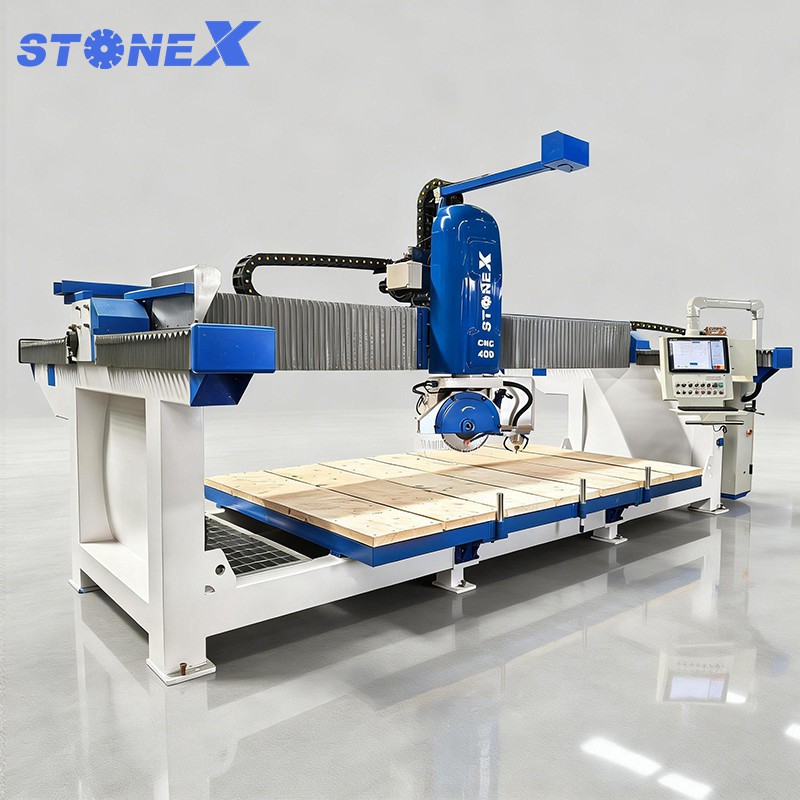
Next, clean the coolant tank. Use a brush and a cleaning solution to scrub the inside of the tank. Remove any sediment or debris that has settled at the bottom. Rinse the tank thoroughly with clean water.
After cleaning the tank, refill it with fresh coolant. Make sure to use the coolant recommended by the manufacturer for optimal performance.
Step 6: Inspect and Clean the Electrical Components
Although you need to be extra cautious when dealing with electrical components, a basic inspection and cleaning can be done. Use a compressed air gun to blow away any dust from the electrical cabinet, motors, and control panels.
Check the wiring for any signs of damage, such as frayed wires or loose connections. If you notice any issues, it is best to contact a professional electrician or the manufacturer's technical support team.
Step 7: Reassemble and Test
Once all the components are clean, reassemble any parts that were removed during the cleaning process. Make sure everything is properly tightened and in place.
Power on the CNC granite saw and run a test cut on a small piece of granite. Check for any unusual noises, vibrations, or errors. If everything seems normal, the saw is ready for its next use.
The Importance of Regular Cleaning
Regular cleaning of a CNC granite saw offers several benefits. Firstly, it helps in maintaining the accuracy of the cutting. A clean saw with well - lubricated guide rails and a sharp blade can produce precise cuts, which is essential for high - quality stonework.
Secondly, it extends the lifespan of the machine. By removing dust and debris, you prevent wear and tear on the components, reducing the likelihood of breakdowns and costly repairs.
Finally, a clean saw is safer to operate. Granite dust can cause respiratory problems, and a dirty machine may have loose parts or electrical hazards. Regular cleaning ensures a safe working environment.
Our Product Recommendations
As a CNC Granite Saw supplier, we offer a range of high - quality machines, including the Stone 5 Axis CNC Saw, 5 Axis Stone CNC Cutting Machine, and CNC Stone Saw. These machines are designed for efficient and precise cutting of granite and other stones.
If you are in the market for a CNC granite saw or need more information on cleaning and maintenance, we are here to help. Our team of experts can provide you with detailed guidance and support. Whether you are a small - scale stoneworker or a large - scale manufacturing company, we have the right solution for you.
Contact us today to discuss your requirements and explore how our CNC granite saws can enhance your stone - cutting operations.
References
- Manufacturer's manuals for CNC granite saws
- Industry best practices for stone cutting machine maintenance