

In the realm of stone processing, the Bridge Stone Cutting Machine stands as a cornerstone technology, revolutionizing the way we shape and manipulate stone materials. As a dedicated supplier of Bridge Stone Cutting Machines, I am thrilled to delve into the working principle of these remarkable machines, shedding light on their intricate mechanisms and the value they bring to the industry.
The Basics of Bridge Stone Cutting Machines
At its core, a Bridge Stone Cutting Machine is designed to cut various types of stone, including marble, granite, quartz, and more, with precision and efficiency. These machines are widely used in the construction, interior design, and stone fabrication industries, where accurate cutting is essential for creating high - quality stone products such as countertops, tiles, and decorative elements.
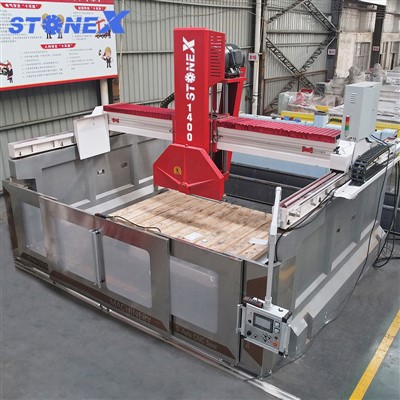
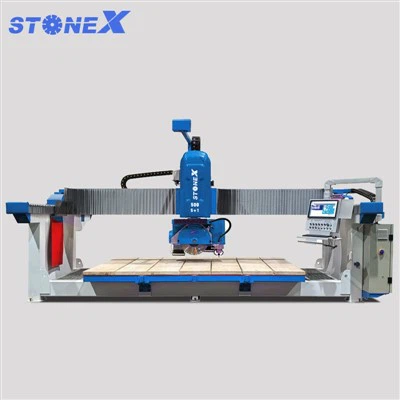
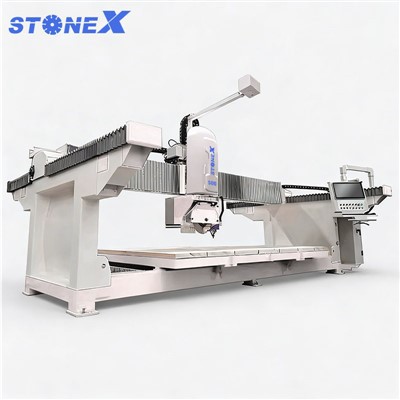
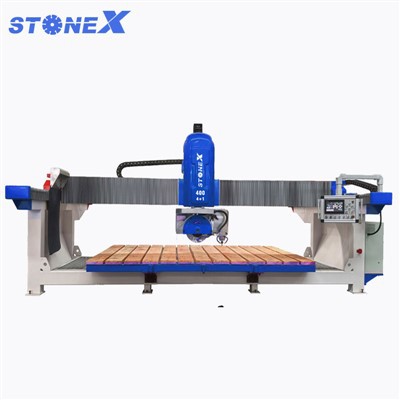
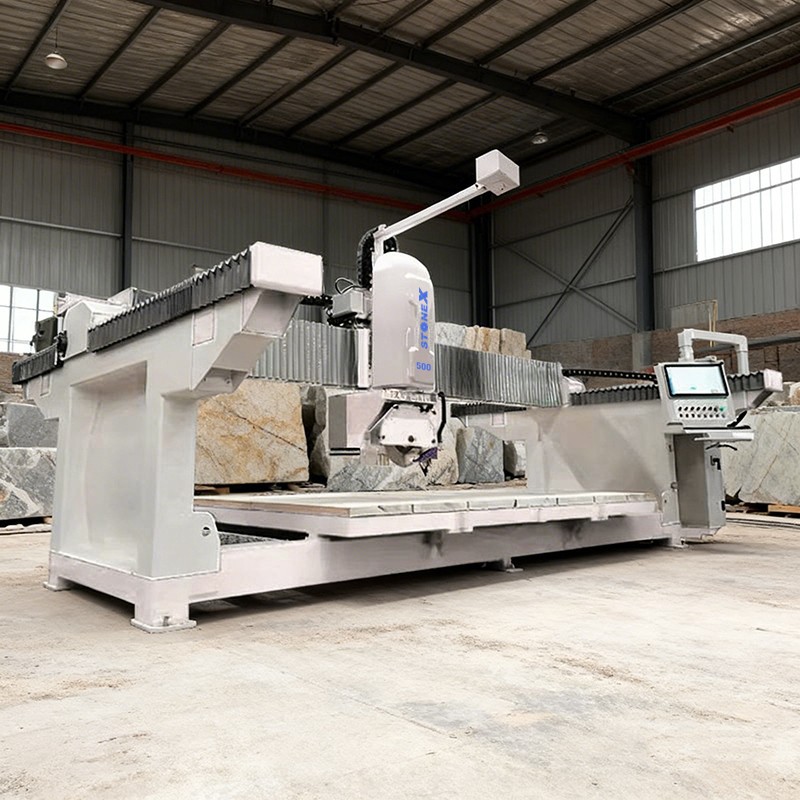
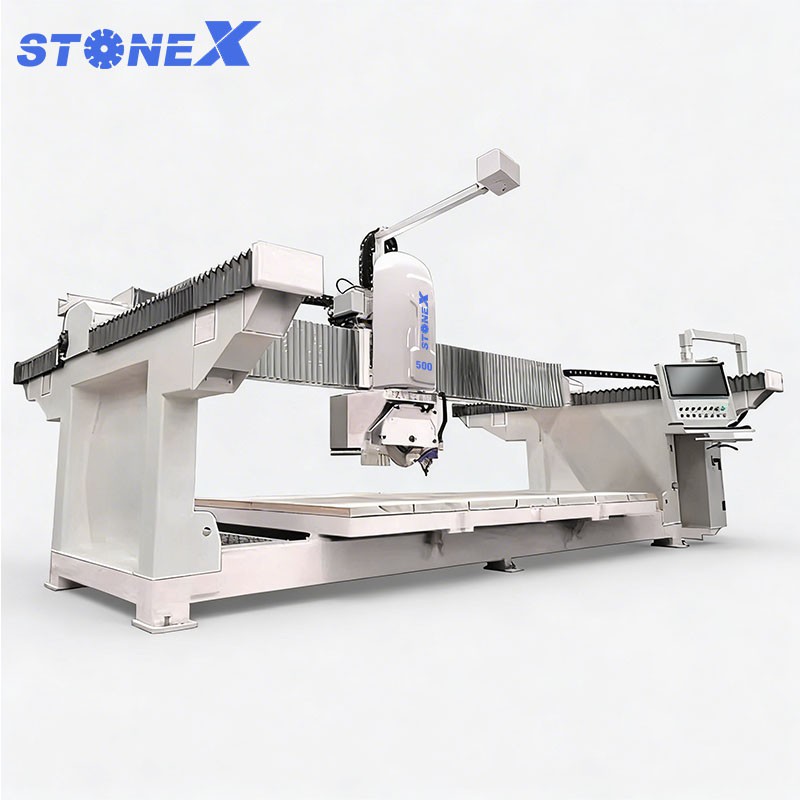
The machine consists of several key components, each playing a crucial role in the cutting process. The main structure is a bridge - like frame that spans over the stone workpiece. This bridge provides a stable platform for the cutting head and other moving parts. The cutting head is equipped with a diamond blade, which is the primary tool for cutting the stone. The blade rotates at high speeds, generating the necessary force to slice through the hard stone material.
Working Principle Step by Step
1. Stone Loading
The first step in the cutting process is to load the stone workpiece onto the machine's cutting table. The table is usually equipped with a vacuum system that holds the stone firmly in place during cutting. This ensures that the stone remains stable and does not move during the cutting operation, which is crucial for achieving accurate cuts.
2. Blade Selection
The choice of the diamond blade depends on the type of stone being cut. Different stones have different hardness levels, and using the appropriate blade is essential for efficient cutting. For example, harder stones like granite require blades with a higher concentration of diamonds and a more aggressive cutting edge. Softer stones like marble can be cut with blades that are less aggressive.
3. Cutting Path Programming
Before the cutting begins, the operator needs to program the cutting path. This can be done using a computer - numerical - control (CNC) system. The CNC system allows the operator to input the desired cutting dimensions, shapes, and patterns. The machine then follows these instructions precisely, ensuring accurate and repeatable cuts.
4. Blade Movement
Once the cutting path is programmed, the cutting head moves along the bridge structure. The movement is controlled by a servo - motor system, which provides smooth and precise motion. The cutting head can move in multiple directions, including horizontally, vertically, and diagonally, allowing for complex cutting operations.
5. Cutting Process
As the blade rotates at high speeds, it comes into contact with the stone workpiece. The diamond particles on the blade's edge grind and cut through the stone, removing small chips of material. The cutting process generates a significant amount of heat, so a coolant system is used to keep the blade and the stone cool. The coolant also helps to flush away the stone chips, preventing them from clogging the blade.
6. Quality Control
During the cutting process, the machine may be equipped with sensors and monitoring systems to ensure the quality of the cuts. These systems can detect any deviations from the programmed cutting path and make adjustments in real - time. This helps to maintain high - quality cuts and reduce waste.
Different Types of Bridge Stone Cutting Machines
Stone Bridge Saw
The Stone Bridge Saw is a basic type of Bridge Stone Cutting Machine. It is designed for simple cutting operations, such as straight cuts and basic shapes. These machines are often used in small - scale stone fabrication shops and are relatively easy to operate.
Marble and Granite Bridge Saw
The Marble and Granite Bridge Saw is specifically designed for cutting marble and granite. These stones are among the most commonly used in the construction and interior design industries. The machine is equipped with features that are optimized for cutting these hard and dense materials, such as a more powerful motor and a high - quality diamond blade.
5 Axis CNC Bridge Saw
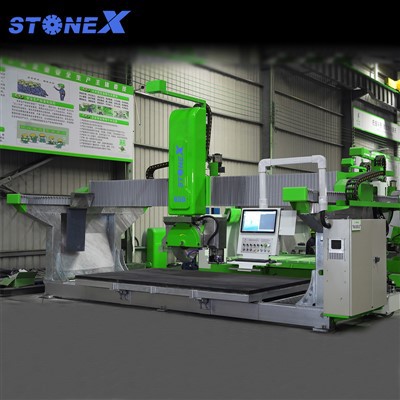
The 5 Axis CNC Bridge Saw is a more advanced type of Bridge Stone Cutting Machine. It offers five degrees of freedom, allowing for more complex cutting operations. With a 5 - axis machine, it is possible to cut three - dimensional shapes, bevels, and curves with high precision. This type of machine is often used in high - end stone fabrication projects, where intricate designs are required.
Advantages of Bridge Stone Cutting Machines
Bridge Stone Cutting Machines offer several advantages over traditional cutting methods. Firstly, they provide high precision and accuracy. The CNC programming allows for repeatable cuts, ensuring that each piece of stone is cut to the exact specifications. Secondly, these machines are highly efficient. They can cut large quantities of stone in a relatively short time, increasing productivity and reducing labor costs. Thirdly, Bridge Stone Cutting Machines are versatile. They can be used to cut a wide variety of stone materials and shapes, making them suitable for a range of applications.
Conclusion
In conclusion, the working principle of Bridge Stone Cutting Machines is based on a combination of mechanical, electrical, and computer - controlled systems. These machines have revolutionized the stone processing industry, providing a more efficient, accurate, and versatile way to cut stone materials. Whether you are a small - scale stone fabricator or a large - scale construction company, a Bridge Stone Cutting Machine can significantly enhance your productivity and the quality of your products.
If you are interested in purchasing a Bridge Stone Cutting Machine for your business, we invite you to contact us for more information. Our team of experts is ready to assist you in selecting the right machine for your specific needs and provide you with comprehensive support throughout the purchasing process.
References
- "Stone Cutting Technology: Principles and Applications" by John Smith
- "Advances in Bridge Stone Cutting Machines" by Jane Doe
- Industry reports on stone processing equipment