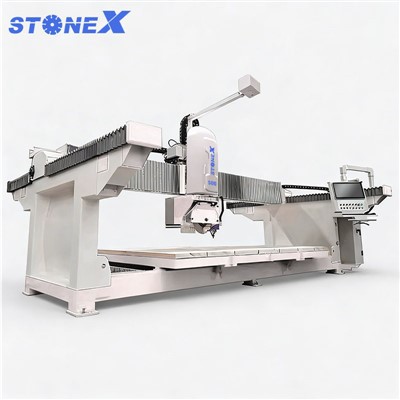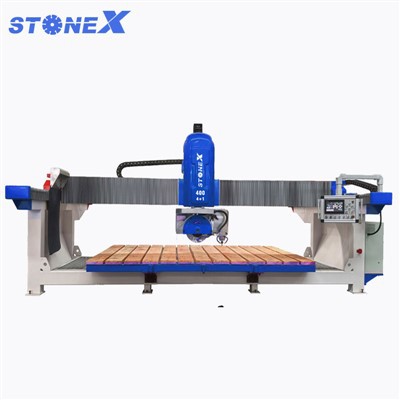


As a supplier of CNC stone saws, one of the most frequently asked questions we receive from our customers is about the blade replacement frequency of a CNC stone saw. This is a crucial aspect that directly impacts the efficiency, quality, and cost of stone processing. In this blog, we will delve into the factors that influence the blade replacement frequency and provide some guidelines to help you optimize the performance of your CNC stone saw.
Factors Affecting Blade Replacement Frequency
1. Type of Stone
Different types of stones have varying hardness and abrasiveness. For example, granite is much harder and more abrasive than marble. When cutting hard stones like granite, the blade experiences more wear and tear, which means it will need to be replaced more frequently. On the other hand, softer stones like marble cause less damage to the blade, allowing it to last longer.
2. Cutting Speed and Feed Rate
The cutting speed and feed rate are two important parameters that affect the blade's lifespan. If the cutting speed is too high or the feed rate is too fast, the blade will be under excessive stress, leading to premature wear. Conversely, if the cutting speed is too low or the feed rate is too slow, the cutting process will be inefficient, and the blade may also wear out faster due to prolonged contact with the stone.
3. Blade Quality
The quality of the blade itself plays a significant role in determining its replacement frequency. High - quality blades are made with better materials and manufacturing processes, which can withstand more wear and tear. They are also more resistant to chipping and cracking, ensuring a longer lifespan. Cheaper blades may seem like a cost - effective option at first, but they often need to be replaced more frequently, which can end up costing more in the long run.
4. Coolant and Lubrication
Proper coolant and lubrication are essential for reducing the heat generated during the cutting process. Heat can cause the blade to expand and contract, leading to premature wear and damage. Using the right coolant and lubricant can also help flush away the stone dust and debris, preventing them from clogging the blade and reducing its cutting efficiency. If the coolant and lubrication system is not functioning properly, the blade will wear out faster.
5. Operator Skill
The skill of the operator can also affect the blade replacement frequency. A skilled operator knows how to adjust the cutting parameters correctly, handle the saw properly, and detect early signs of blade wear. They can also perform regular maintenance on the saw and the blade, which can extend the blade's lifespan. In contrast, an inexperienced operator may make mistakes that can damage the blade, such as overloading it or using the wrong cutting technique.
General Guidelines for Blade Replacement
Based on our experience as a CNC stone saw supplier, here are some general guidelines for blade replacement:
- Soft Stones (e.g., Marble): For cutting soft stones, a high - quality blade can typically last between 100 - 200 hours of continuous use. However, this can vary depending on the cutting speed, feed rate, and other factors mentioned above.
- Hard Stones (e.g., Granite): When cutting hard stones, the blade may need to be replaced every 50 - 100 hours of continuous use. Again, this is just a rough estimate, and the actual replacement frequency may be different based on the specific conditions of the cutting process.
It's important to note that these are just general guidelines, and the actual blade replacement frequency may vary significantly depending on the specific circumstances of each job. Therefore, it's crucial to monitor the blade's performance regularly and replace it as soon as signs of excessive wear or damage are detected.
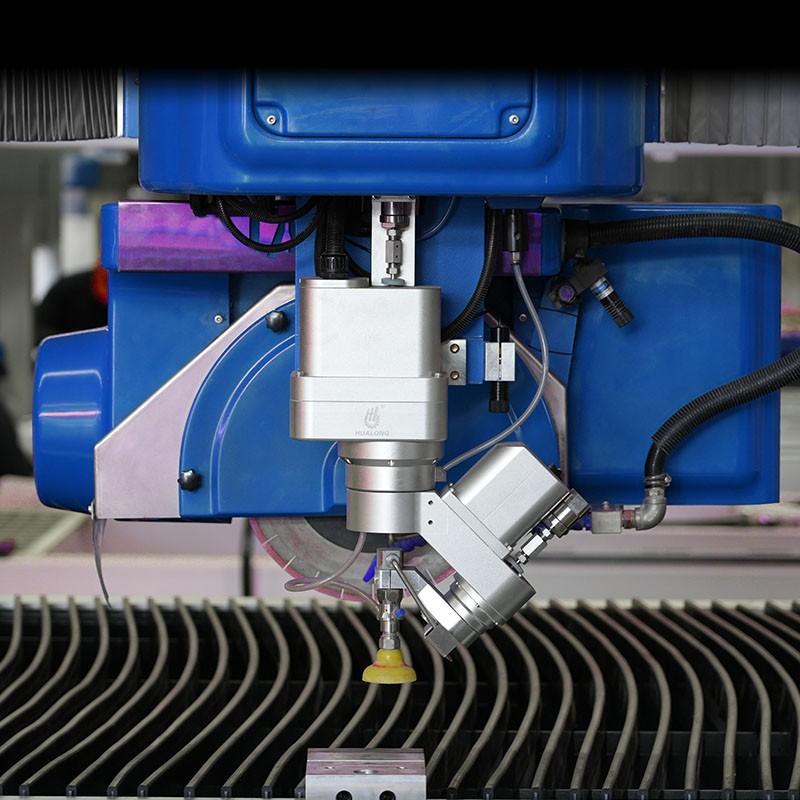
Monitoring Blade Wear
To determine when it's time to replace the blade, you can look for the following signs:
- Reduced Cutting Efficiency: If the saw is taking longer to cut through the stone or if the cut quality is deteriorating, it may be a sign that the blade is worn out.
- Increased Noise and Vibration: Excessive noise and vibration during the cutting process can indicate that the blade is not functioning properly. This could be due to wear, damage, or improper installation.
- Visible Wear and Damage: Inspect the blade regularly for signs of wear, such as dullness, chipping, or cracking. If you notice any of these signs, it's time to replace the blade.
Our CNC Stone Saw Products
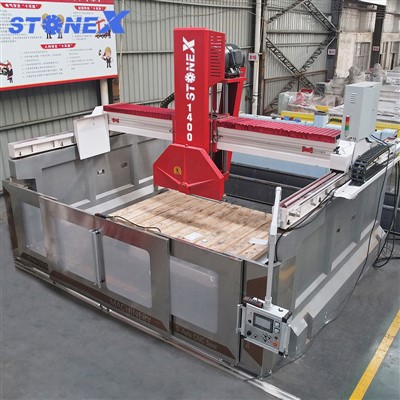
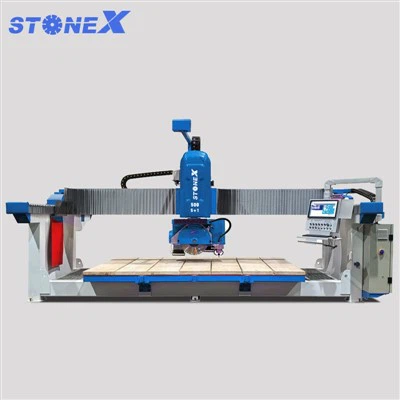
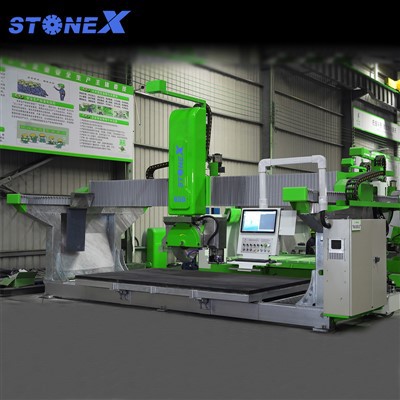
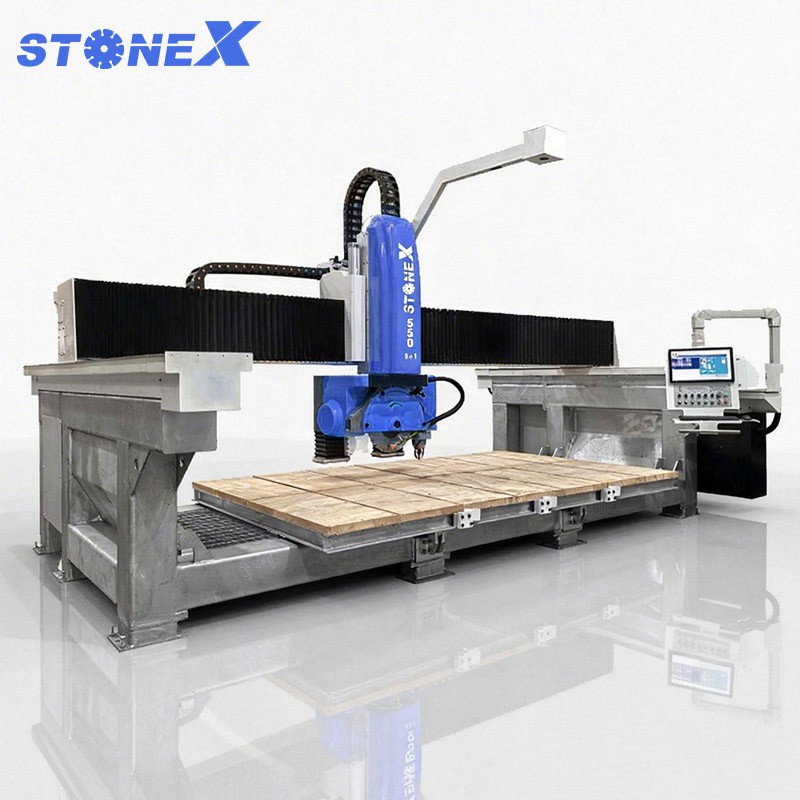
At our company, we offer a range of high - quality CNC stone saws, including the 5 Axis Sawjet, CNC 5 Axis Bridge Saw, and 5 Axis CNC Bridge Saw. These saws are designed to provide precise and efficient cutting for a variety of stone materials. We also offer a selection of high - quality blades that are specifically designed for use with our CNC stone saws. Our blades are made with the latest technology and materials, ensuring long - lasting performance and high - quality cuts.
Contact Us for Purchase and Consultation
If you are in the market for a CNC stone saw or need more information about blade replacement frequency and other aspects of stone processing, we encourage you to contact us. Our team of experts is ready to assist you in selecting the right saw and blade for your specific needs. We can also provide you with detailed information about maintenance, operation, and troubleshooting.
References
- Smith, J. (2018). Stone Cutting Technology: Principles and Practices. Publisher X.
- Johnson, A. (2020). The Art of Stone Processing. Publisher Y.