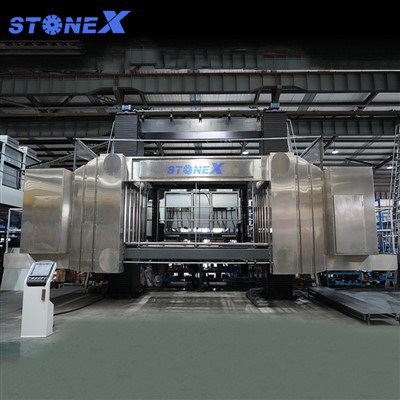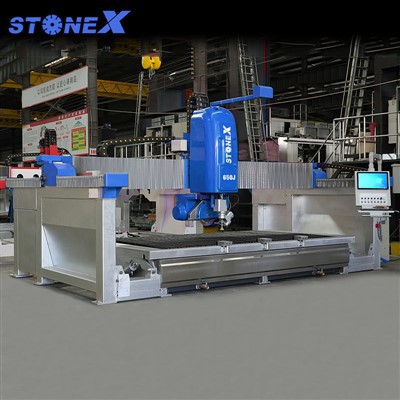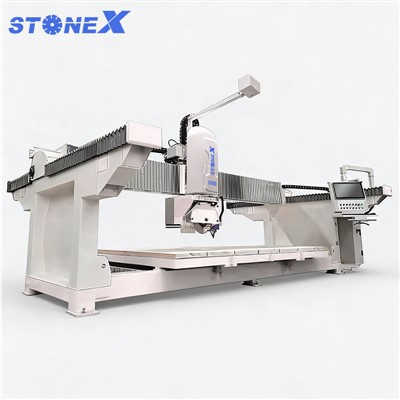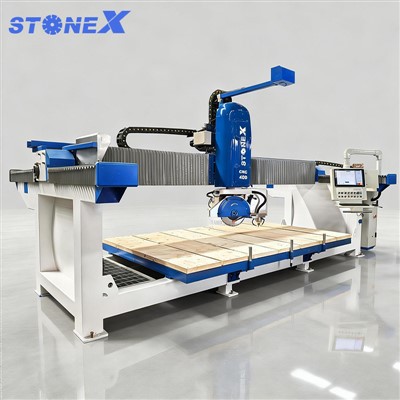


Storing a bridge saw cutting machine properly when it's not in use is crucial to maintain its performance, extend its lifespan, and ensure safety. As a supplier of high - quality bridge saw cutting machines, including CNC 5 Axis Bridge Saw Machine, Stone Bridge Saw, and 5+1 Axis CNC Bridge Saw, I understand the importance of proper storage. In this blog, I'll share some scientific and practical tips on how to store your bridge saw cutting machine effectively.
1. Cleaning the Machine
Before storing the bridge saw cutting machine, a thorough cleaning is essential. First, remove all the debris, dust, and cutting residues from the machine. Use a soft - bristle brush to clean hard - to - reach areas such as the saw blade housing, guides, and tracks. For stubborn dirt, a mild cleaning solution can be used, but make sure it is suitable for the machine's materials.
Next, clean the saw blade. A dirty blade can affect cutting performance and may cause premature wear. Use a blade cleaner to remove resin and other deposits. After cleaning, dry the blade completely to prevent rusting.

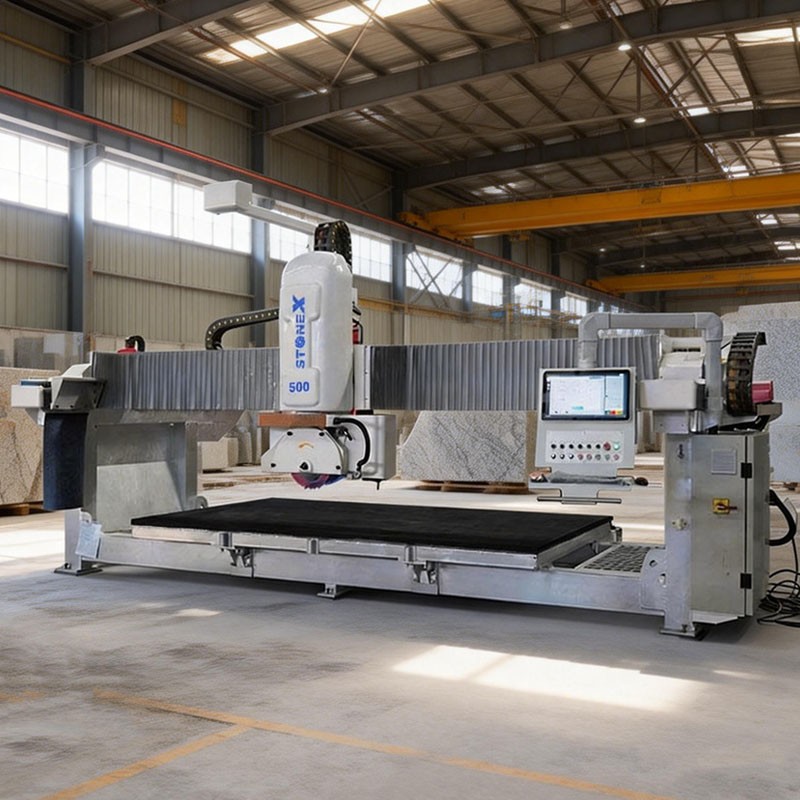
The control panel and electrical components should also be cleaned carefully. Use a dry, lint - free cloth to wipe the surfaces. Avoid using excessive moisture near electrical parts to prevent short - circuits.
2. Lubrication
Lubrication is vital for the smooth operation of the bridge saw cutting machine. Before storage, lubricate all moving parts such as the guide rails, bearings, and spindles. Use a high - quality lubricant recommended by the machine manufacturer. Apply the lubricant evenly and wipe off any excess to prevent dust and debris from sticking.
Proper lubrication not only reduces friction but also protects the parts from corrosion during storage. It helps to ensure that when the machine is put back into use, it will operate smoothly without any mechanical issues.
3. Disconnecting Electrical Components
To prevent electrical hazards and potential damage during storage, disconnect all electrical components from the power source. This includes unplugging the machine from the electrical outlet and removing any batteries if applicable.
It's also a good idea to label all electrical connections. This will make it easier to reconnect the machine correctly when it's time to use it again. Additionally, store the power cords and cables in a dry and safe place to avoid damage.
4. Covering the Machine
Invest in a high - quality cover for your bridge saw cutting machine. The cover should be made of a durable and waterproof material to protect the machine from dust, moisture, and other environmental factors.
Make sure the cover fits the machine properly. A loose cover may allow dust and moisture to enter, while a tight cover can cause scratches on the machine's surface. Secure the cover tightly to prevent it from being blown off by wind or other external forces.
5. Choosing the Right Storage Location
The storage location plays a significant role in the machine's preservation. Select a dry, cool, and well - ventilated area. Avoid storing the machine in areas prone to flooding, extreme temperature changes, or high humidity.
If possible, store the machine indoors. An industrial warehouse or a dedicated storage room is ideal. If indoor storage is not available, use a weather - resistant shed or a covered area.
Keep the machine away from direct sunlight, as prolonged exposure to sunlight can cause the machine's paint to fade and may damage some of the plastic and rubber components.
6. Securing the Machine
To prevent the machine from moving or being damaged during storage, secure it in place. Use straps or brackets to fix the machine to a stable surface. This will prevent it from tipping over or being knocked around by accidental impacts.
If the machine has a movable base, lock the wheels or casters to keep it stationary. This is especially important if the storage area is prone to vibrations or if there is a risk of the machine being accidentally bumped.
7. Monitoring the Machine During Storage
Even when the machine is in storage, it's important to monitor it regularly. Check the storage area for signs of moisture, pests, or any other potential issues. Inspect the machine for any visible damage, such as rust, cracks, or loose parts.
If you notice any problems, address them immediately. For example, if you find rust on the machine, clean it and apply a rust - preventive coating. If there are loose parts, tighten them to prevent further damage.
8. Preparing for Re - use
Before putting the bridge saw cutting machine back into use, a thorough inspection is necessary. Check all the components, including the saw blade, electrical connections, and moving parts. Make sure everything is in good working condition.
Re - lubricate the moving parts if necessary. Test the machine on a small scale to ensure that it operates smoothly. If you encounter any issues, consult the machine's manual or contact the manufacturer for assistance.
Conclusion
Proper storage of a bridge saw cutting machine is essential for maintaining its performance and longevity. By following the steps outlined above, you can ensure that your machine remains in good condition during periods of non - use.
If you're in the market for a high - quality bridge saw cutting machine, whether it's a CNC 5 Axis Bridge Saw Machine, Stone Bridge Saw, or 5+1 Axis CNC Bridge Saw, we're here to provide you with the best solutions. Contact us for more information and to discuss your specific requirements. We look forward to helping you find the perfect bridge saw cutting machine for your needs.
References
- Manufacturer's manuals for bridge saw cutting machines
- Industry standards and best practices for machine storage