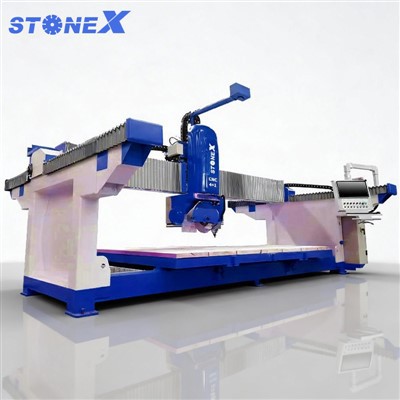


As a supplier of CNC Bridge Saws, I often get asked whether our machines can be used for cutting ceramics. The answer is a resounding yes! In this blog post, I'll delve into the details of how CNC Bridge Saws can effectively cut ceramics, the advantages they offer, and some key considerations when using them for this purpose.
How CNC Bridge Saws Work for Ceramic Cutting
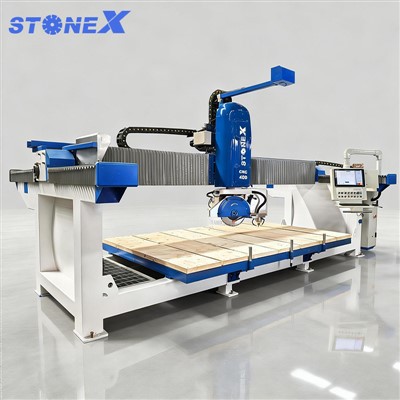
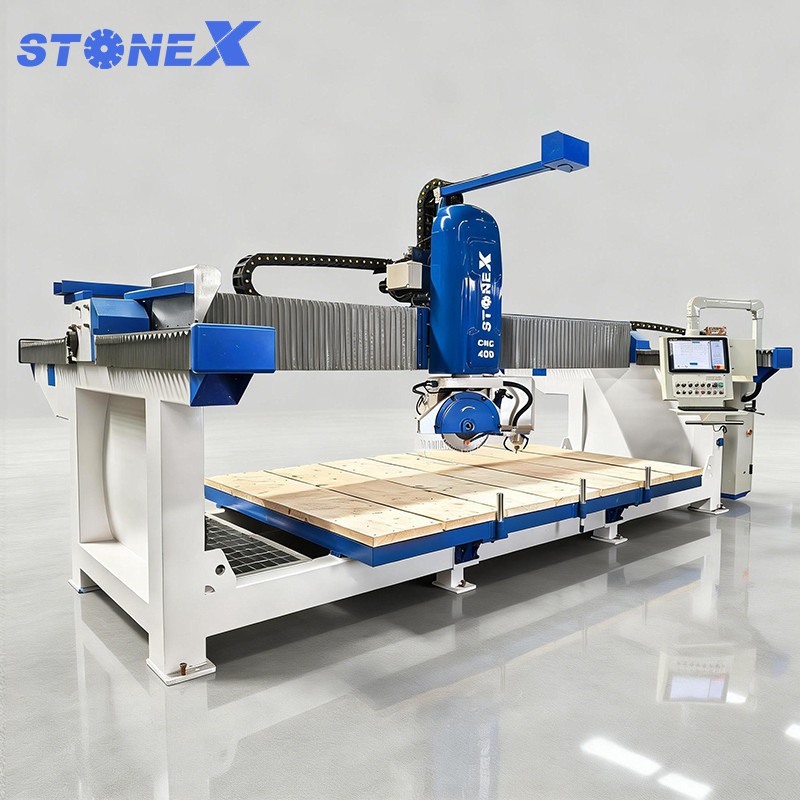
CNC (Computer Numerical Control) Bridge Saws are highly advanced cutting machines that operate with precision and automation. They are equipped with a bridge structure that spans over the cutting area, and a cutting blade is mounted on a carriage that moves along the bridge. The movement of the blade is controlled by a computer program, which allows for accurate and repeatable cuts.
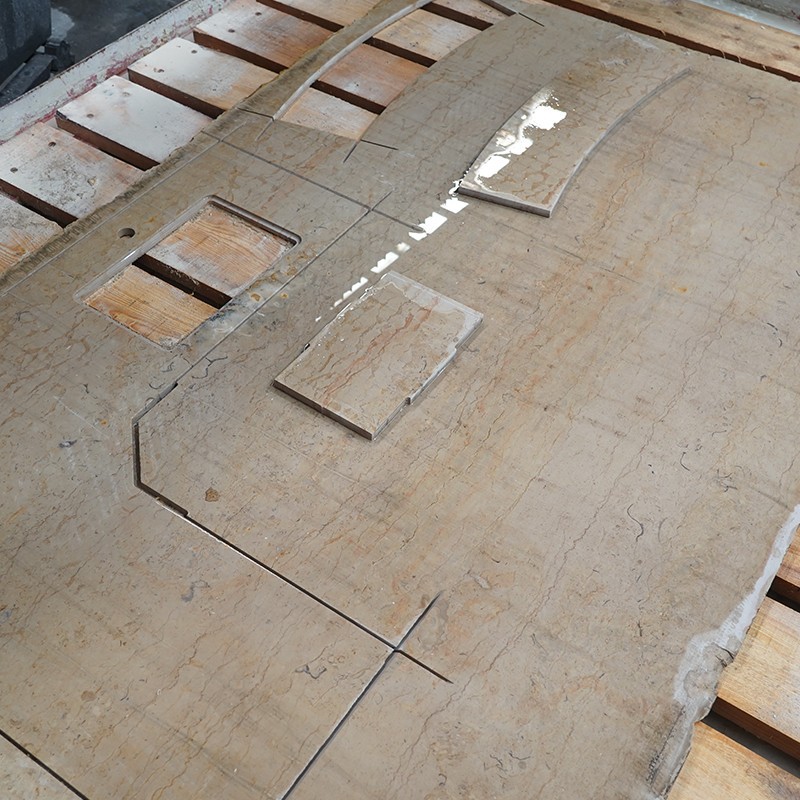
When it comes to cutting ceramics, the process is similar to cutting other materials such as stone or marble. The ceramic material is placed on the cutting table, and the CNC Bridge Saw uses a diamond blade to make the cuts. The diamond blade is specifically designed to cut through hard materials like ceramics, and it can handle the high pressure and heat generated during the cutting process.
The computer program controls the speed, depth, and direction of the blade, ensuring that the cuts are made with precision. This allows for complex shapes and designs to be cut with ease, making CNC Bridge Saws a popular choice for ceramic manufacturers and fabricators.
Advantages of Using CNC Bridge Saws for Ceramic Cutting
There are several advantages to using CNC Bridge Saws for ceramic cutting:
- Precision: CNC Bridge Saws offer high levels of precision, allowing for accurate cuts to be made every time. This is especially important when working with ceramics, as even small errors can result in a defective product.
- Efficiency: The automation of CNC Bridge Saws means that they can cut ceramics much faster than manual cutting methods. This can significantly increase productivity and reduce production time.
- Versatility: CNC Bridge Saws can be used to cut a variety of ceramic materials, including tiles, slabs, and custom shapes. This makes them a versatile tool for ceramic manufacturers and fabricators.
- Consistency: The computer program ensures that each cut is made with the same level of precision and accuracy, resulting in consistent quality across all products.
- Safety: CNC Bridge Saws are designed with safety features to protect the operator. This includes guards, emergency stop buttons, and automatic shut-off systems.
Key Considerations When Using CNC Bridge Saws for Ceramic Cutting
While CNC Bridge Saws are highly effective for cutting ceramics, there are some key considerations to keep in mind:
- Blade Selection: The type of blade used is crucial for cutting ceramics. Diamond blades are the most commonly used blades for ceramic cutting, as they are hard enough to cut through the material. However, it's important to choose the right blade for the specific type of ceramic being cut, as different ceramics have different hardness levels.
- Cutting Speed and Feed Rate: The cutting speed and feed rate of the blade need to be carefully adjusted to ensure a clean and accurate cut. If the cutting speed is too fast, the blade may overheat and cause damage to the ceramic. If the feed rate is too slow, the cutting process may take longer and result in a less precise cut.
- Cooling System: Ceramics generate a lot of heat during the cutting process, so it's important to have a proper cooling system in place. This can help to prevent the blade from overheating and extend its lifespan.
- Workholding: Proper workholding is essential to ensure that the ceramic material stays in place during the cutting process. This can prevent the material from moving or shifting, which can result in a defective cut.
Our CNC Bridge Saw Products for Ceramic Cutting
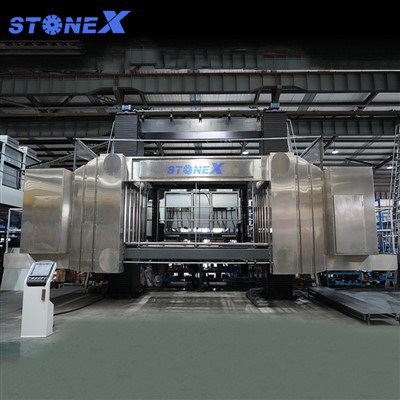
At our company, we offer a range of CNC Bridge Saws that are suitable for cutting ceramics. Our CNC Stone Saw is a versatile machine that can be used for cutting a variety of materials, including ceramics. It features a high-precision cutting system and a user-friendly interface, making it easy to operate.
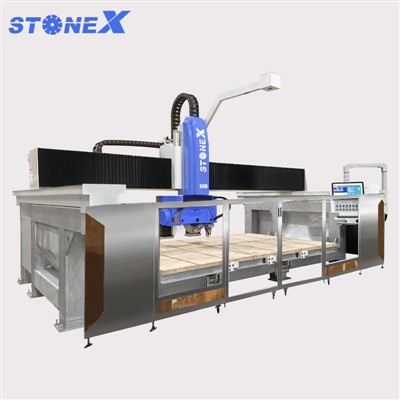
Our CNC 5 Axis Bridge Saw is a more advanced machine that offers even greater precision and flexibility. It can be used to cut complex shapes and designs in ceramics, making it a popular choice for high-end ceramic manufacturers and fabricators.
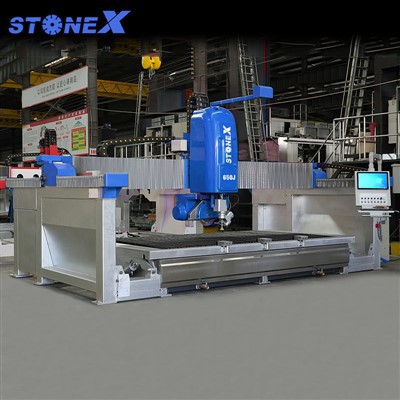
We also offer a 650mm Blade 5 Axis Bridge Saw, which is specifically designed for cutting large ceramic slabs. This machine features a powerful motor and a large cutting blade, allowing for fast and efficient cutting.
Conclusion
In conclusion, CNC Bridge Saws are an excellent choice for cutting ceramics. They offer high levels of precision, efficiency, and versatility, making them a popular tool for ceramic manufacturers and fabricators. By carefully selecting the right blade, adjusting the cutting speed and feed rate, and using a proper cooling system and workholding, you can ensure that your CNC Bridge Saw cuts ceramics with ease and accuracy.
If you're interested in learning more about our CNC Bridge Saws or have any questions about using them for ceramic cutting, please don't hesitate to contact us. We'd be happy to discuss your specific needs and help you find the right machine for your business.
References
- "CNC Machining: Principles and Applications" by Peter W. McGeough
- "Ceramic Materials: Science and Engineering" by W. D. Kingery, H. K. Bowen, and D. R. Uhlmann
- "Diamond Tools for Stone and Ceramics" by John A. Williams