

Handling the waste generated during the cutting process of a Marble CNC Bridge Cutting Machine is a crucial aspect that not only impacts the environment but also the overall efficiency and cost - effectiveness of the operation. As a supplier of Marble CNC Bridge Cutting Machines, I understand the significance of this issue and am here to share some effective strategies to manage this waste.
Understanding the Types of Waste
The cutting process of a Marble CNC Bridge Cutting Machine produces two main types of waste: marble dust and marble scraps. Marble dust is a fine powder generated when the cutting tool grinds through the marble. This dust can be a health hazard if inhaled and can also cause environmental pollution if not properly managed. Marble scraps, on the other hand, are larger pieces of marble that are left over after the cutting process. These scraps can vary in size from small chips to large blocks.
Strategies for Handling Marble Dust
Dust Collection Systems
One of the most effective ways to handle marble dust is by installing a dust collection system. These systems work by capturing the dust at the source, usually at the cutting head of the machine. A well - designed dust collection system can significantly reduce the amount of dust that is released into the air. For example, a cyclone dust collector can separate the dust from the air by using centrifugal force. The dust is then collected in a container for proper disposal.


Wet Cutting
Another approach to reduce marble dust is wet cutting. In wet cutting, water is used to cool the cutting tool and suppress the dust. The water mixes with the dust, forming a slurry that can be easily collected and disposed of. This method not only reduces the amount of airborne dust but also extends the life of the cutting tool. However, it is important to manage the wastewater properly to prevent environmental pollution.
Air Filtration
In addition to dust collection systems and wet cutting, air filtration can also be used to clean the air in the workshop. High - efficiency particulate air (HEPA) filters can be installed in the ventilation system to remove fine dust particles from the air. This helps to create a healthier working environment for the operators.
Strategies for Handling Marble Scraps
Recycling
Recycling marble scraps is an excellent way to reduce waste and save resources. The scraps can be crushed and used as aggregates in concrete or other construction materials. Some companies even use recycled marble to create new marble products, such as tiles or countertops. By recycling marble scraps, we can not only reduce the environmental impact but also potentially generate additional revenue.
Reuse
If the marble scraps are large enough and in good condition, they can be reused for other projects. For example, they can be cut into smaller pieces and used for decorative purposes or in mosaic work. This not only reduces waste but also adds value to the scraps.
Proper Storage and Disposal
For scraps that cannot be recycled or reused, proper storage and disposal are essential. The scraps should be stored in a designated area to prevent them from causing hazards. When it comes to disposal, it is important to follow local regulations to ensure that the waste is disposed of in an environmentally friendly manner.
The Role of Our Marble CNC Bridge Cutting Machines
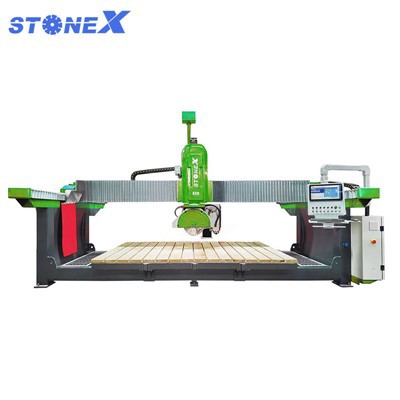
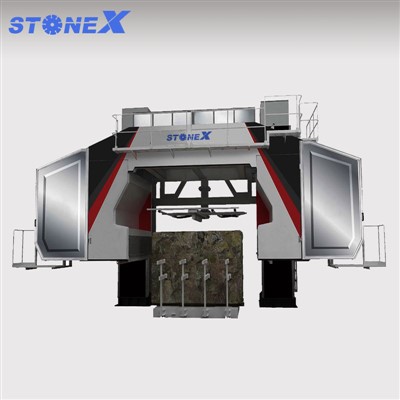
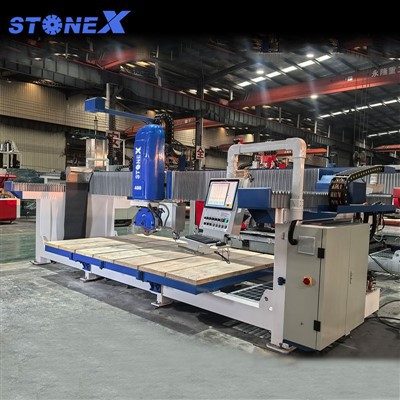
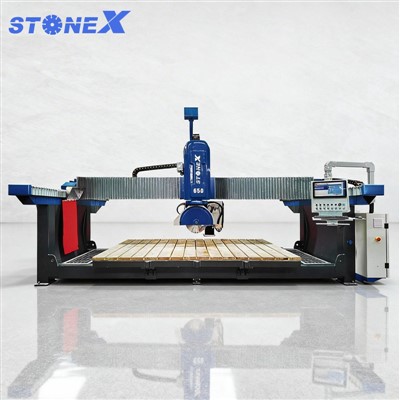
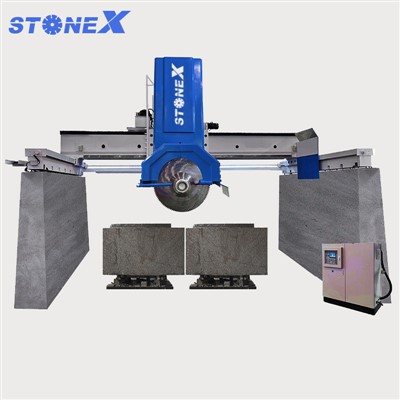
Our company offers a range of high - quality Marble CNC Bridge Cutting Machines, including the 4+1 Axis CNC Bridge Saw, Automatic 5 Axis CNC Bridge Saw, and 5+1 Axis CNC Bridge Saw. These machines are designed to be efficient and precise, which can help to reduce the amount of waste generated during the cutting process.
Our machines are equipped with advanced technology that allows for accurate cutting, minimizing the amount of excess material. For example, the automatic programming feature in our 5 - axis machines can optimize the cutting path to make the most of the marble slab, reducing the number of scraps. Additionally, our machines can be easily integrated with dust collection systems, making it easier to manage the marble dust.
Cost - Benefit Analysis of Waste Management
Implementing effective waste management strategies may require an initial investment, such as the cost of installing a dust collection system or setting up a recycling facility. However, in the long run, these strategies can bring significant benefits.
By reducing the amount of waste, companies can save on disposal costs. Recycling and reusing marble scraps can also generate additional revenue. Moreover, a clean and healthy working environment can improve employee productivity and reduce the risk of health - related issues. Therefore, the cost - benefit analysis shows that investing in waste management is a wise decision.
Conclusion
Handling the waste generated during the cutting process of a Marble CNC Bridge Cutting Machine is a multi - faceted challenge that requires a combination of strategies. By implementing dust collection systems, wet cutting, air filtration, recycling, and reuse, companies can effectively manage the waste and reduce its environmental impact.
As a supplier of Marble CNC Bridge Cutting Machines, we are committed to providing our customers with the best solutions for waste management. Our machines are designed to be efficient and environmentally friendly, helping our customers to achieve their waste reduction goals.
If you are interested in our Marble CNC Bridge Cutting Machines or need more information about waste management solutions, please feel free to contact us for a procurement discussion. We look forward to working with you to create a more sustainable and efficient marble cutting operation.
References
- Smith, J. (2020). Marble Cutting and Waste Management. Journal of Construction Materials, 15(2), 123 - 135.
- Johnson, A. (2019). Recycling of Marble Scraps in the Construction Industry. Environmental Science Review, 22(3), 201 - 210.
- Brown, C. (2021). Dust Collection Systems for Marble Cutting Machines. Industrial Engineering Journal, 30(1), 45 - 56.