

When it comes to the world of stone processing, CNC Bridge Saws play a pivotal role. As a trusted supplier of these remarkable machines, I often get asked about various aspects of CNC Bridge Saws, and one question that frequently pops up is, "What is the weight of a CNC Bridge Saw?" This seemingly simple question has a complex answer that involves multiple factors. In this blog, I'll delve into the details of the weight of CNC Bridge Saws, its significance, and how it can impact your stone processing operations.
Understanding the Basics of a CNC Bridge Saw
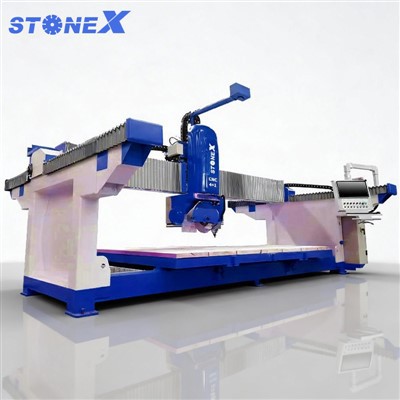
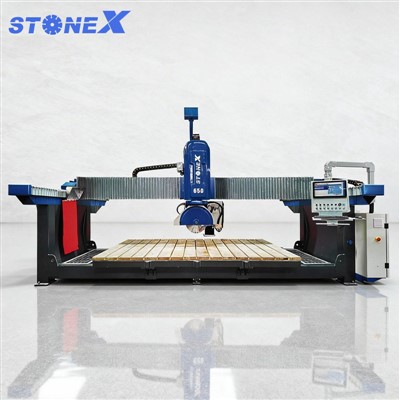
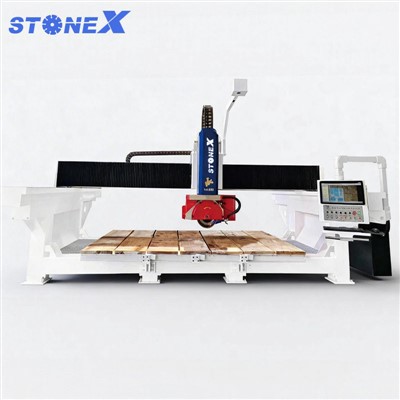
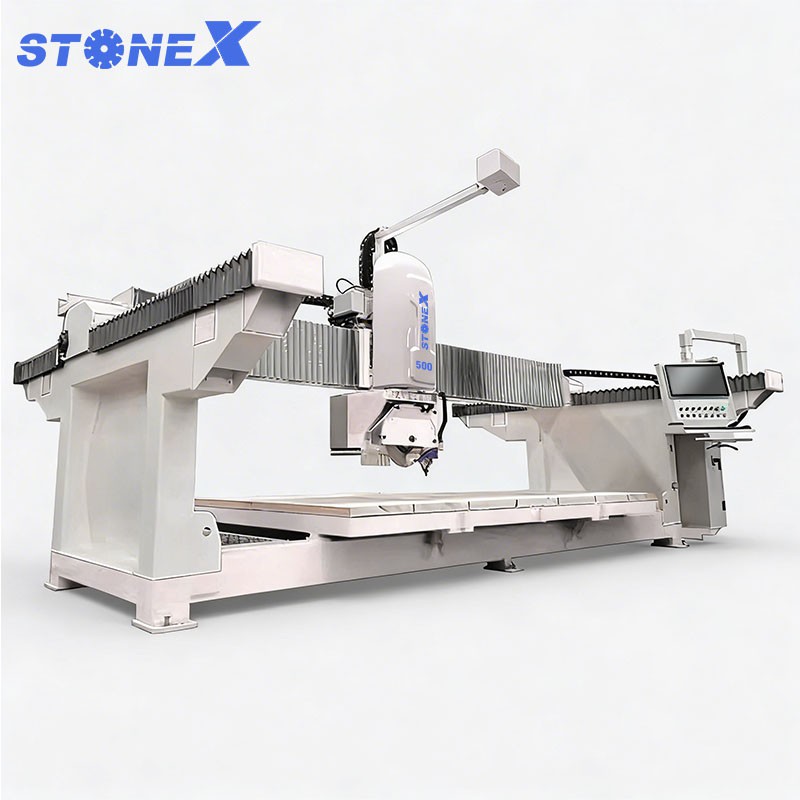
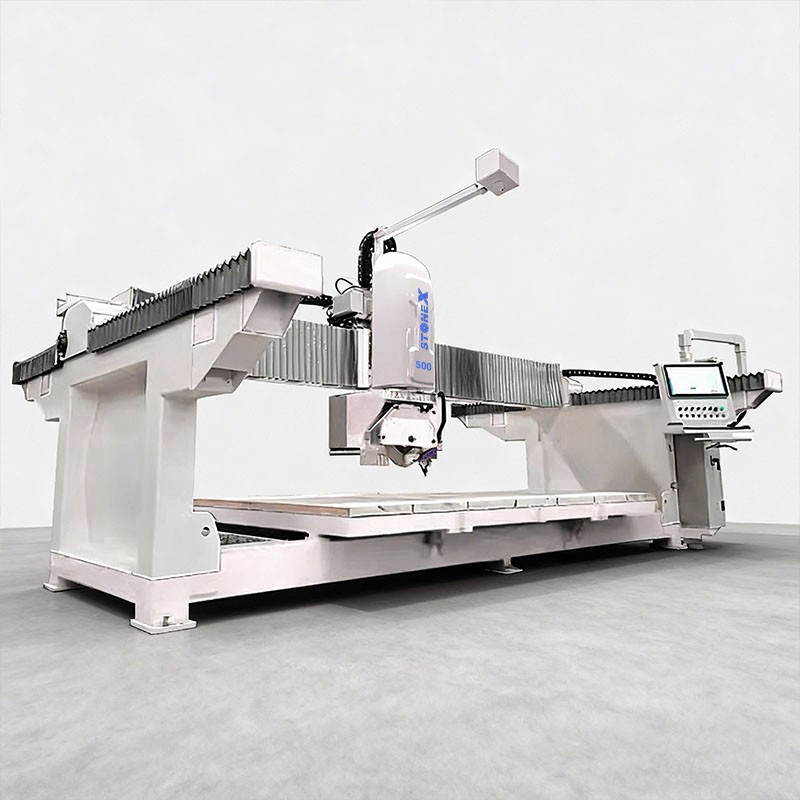
Before we discuss the weight, let's briefly understand what a CNC Bridge Saw is. A CNC (Computer Numerical Control) Bridge Saw is a sophisticated piece of equipment used in the stone industry for cutting various types of stones, including granite, marble, and limestone. It consists of a bridge structure that spans over a cutting table, and the cutting head moves along the bridge to perform precise cuts according to the programmed instructions.
Factors Affecting the Weight of a CNC Bridge Saw
The weight of a CNC Bridge Saw can vary significantly depending on several factors:
1. Size and Dimensions
One of the primary factors influencing the weight is the size of the machine. Larger CNC Bridge Saws with longer bridges and wider cutting tables generally weigh more. For example, a small - scale CNC Bridge Saw designed for small workshops may have a relatively lower weight, while a large - scale industrial model used in high - volume production facilities can be extremely heavy. The length of the bridge can range from a few meters to over ten meters, and each additional meter adds to the overall weight of the machine.
2. Material of Construction
The materials used in the construction of the CNC Bridge Saw also play a crucial role in determining its weight. High - quality steel is commonly used for the bridge and frame of the saw due to its strength and durability. However, different grades of steel have different densities, which can affect the weight. Additionally, some parts of the machine may be made of cast iron, which is denser than steel and can contribute to a higher overall weight. For instance, the cutting head and some of the support structures may be made of cast iron to provide stability during the cutting process.
3. Additional Features and Accessories
CNC Bridge Saws can come with a variety of additional features and accessories that add to their weight. For example, some machines are equipped with automatic loading and unloading systems, which require additional components such as conveyors and robotic arms. These features not only enhance the functionality of the saw but also increase its weight. Other accessories like water cooling systems, dust collection units, and advanced control panels also contribute to the overall mass of the machine.
Typical Weight Ranges of CNC Bridge Saws
Based on the factors mentioned above, the weight of CNC Bridge Saws can vary widely. Smaller, entry - level CNC Bridge Saws may weigh around 2,000 to 3,000 kilograms. These machines are suitable for small - scale stone processing operations, such as custom countertop fabrication in local workshops.
Medium - sized CNC Bridge Saws, which are commonly used in medium - volume production facilities, can weigh between 5,000 and 8,000 kilograms. These machines offer a good balance between cutting capacity and portability.
Large - scale industrial CNC Bridge Saws, designed for high - volume production and heavy - duty cutting, can weigh upwards of 10,000 kilograms or more. These machines are often used in large stone quarries and processing plants where they need to handle large slabs of stone with precision.
Significance of the Weight of a CNC Bridge Saw
The weight of a CNC Bridge Saw is not just a random number; it has several important implications:
1. Stability
A heavier CNC Bridge Saw generally provides better stability during the cutting process. When the machine is cutting through hard stones like granite, there can be significant vibrations. A heavier machine is less likely to be affected by these vibrations, which results in more accurate cuts. The weight helps to keep the machine firmly in place, reducing the risk of movement or misalignment that could lead to inaccurate cuts or damage to the stone.
2. Durability
The weight of the machine is often an indicator of its durability. A heavier machine is usually built with more robust materials and a stronger frame, which means it can withstand the rigors of continuous use in a demanding industrial environment. This is especially important in the stone processing industry, where the machines are subjected to high - stress operations on a daily basis.
3. Installation Requirements
The weight of the CNC Bridge Saw also affects its installation requirements. Heavier machines need a more solid and stable foundation to support them. Before installing a CNC Bridge Saw, it is essential to ensure that the floor or platform can handle the weight of the machine. In some cases, additional reinforcement may be required to prevent the floor from sagging or cracking under the weight of the saw.
Different Types of CNC Bridge Saws and Their Weights
Let's take a look at some specific types of CNC Bridge Saws and how their weights can vary:
CNC Granite Saw
CNC Granite Saws are designed specifically for cutting granite, which is one of the hardest stones. These machines often have a more robust construction to handle the high - pressure cutting required for granite. As a result, they tend to be heavier compared to saws designed for softer stones. A typical CNC Granite Saw can weigh between 6,000 and 10,000 kilograms, depending on its size and features.
Automatic 5 Axis CNC Bridge Saw
The Automatic 5 Axis CNC Bridge Saw is a highly advanced machine that offers greater flexibility and precision in cutting. It can move the cutting head in five different axes, allowing for complex cuts and shapes. Due to its advanced technology and additional components, this type of saw is generally heavier than standard 3 - axis CNC Bridge Saws. The weight of an Automatic 5 Axis CNC Bridge Saw can range from 8,000 to 15,000 kilograms.
Stone Bridge Saw
Stone Bridge Saws are a more general - purpose type of CNC Bridge Saw that can be used for cutting various types of stones, including marble, limestone, and sandstone. Their weight can vary depending on the size and specific features of the machine. Smaller Stone Bridge Saws may weigh around 3,000 to 5,000 kilograms, while larger models can weigh up to 8,000 kilograms.
Considerations When Choosing a CNC Bridge Saw Based on Weight
When selecting a CNC Bridge Saw for your stone processing business, the weight of the machine should be one of the factors you consider. Here are some points to keep in mind:
1. Available Space and Foundation
First, assess the available space in your workshop and the condition of the floor or platform where you plan to install the saw. If you have limited space or a weaker foundation, a lighter - weight machine may be more suitable. On the other hand, if you have a large workshop with a solid foundation, you can opt for a heavier, more powerful machine.
2. Cutting Requirements
Consider the type and volume of stone you will be cutting. If you primarily work with hard stones like granite and need to make high - precision cuts, a heavier and more stable machine may be necessary. However, if you work with softer stones or have lower - volume production requirements, a lighter machine may be sufficient.
3. Budget
Heavier machines with more advanced features and better construction generally come with a higher price tag. You need to balance your budget with your requirements. Sometimes, a lighter machine with basic features may be a cost - effective option for small - scale operations, while larger businesses may be willing to invest in a heavier, more advanced machine for long - term productivity.
Conclusion
In conclusion, the weight of a CNC Bridge Saw is a complex and important factor that can significantly impact its performance, stability, and installation requirements. As a supplier, I understand the diverse needs of our customers in the stone processing industry. Whether you are looking for a small - scale CNC Bridge Saw for a local workshop or a large - scale industrial machine for high - volume production, we have a range of options to suit your needs.
If you are interested in learning more about our CNC Bridge Saws or would like to discuss your specific requirements, we invite you to contact us for a consultation. Our team of experts is ready to assist you in finding the perfect CNC Bridge Saw for your business.
References
- Stone Industry Handbook
- CNC Machine Manufacturing Standards