

In the realm of stone processing, the choice between a Bridge Stone Saw Machine and a hand - held stone saw can significantly impact the efficiency, precision, and overall outcome of a project. As a supplier of Bridge Stone Saw Machines, I have witnessed firsthand the unique capabilities and limitations of both tools. In this blog, I will delve into the differences between these two types of stone saws, exploring their features, applications, and advantages.
Design and Structure
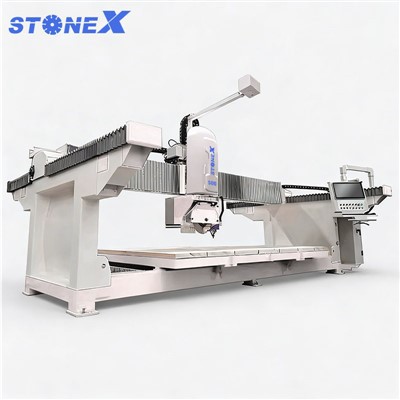
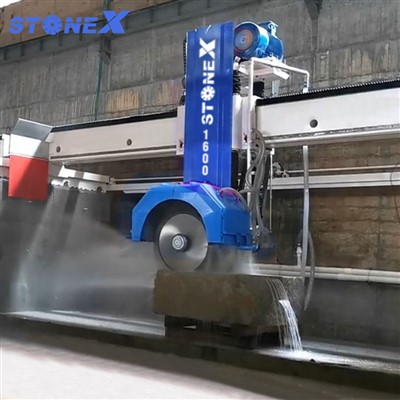
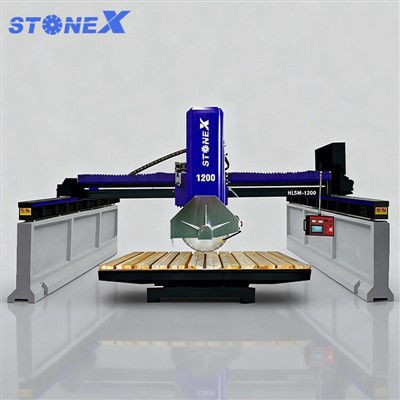
One of the most apparent differences between a Bridge Stone Saw Machine and a hand - held stone saw lies in their design and structure. A Bridge Stone Saw Machine is a large, stationary piece of equipment. It consists of a bridge - like structure that spans over a worktable. The saw blade is mounted on a carriage that can move along the bridge, allowing for precise cutting in multiple directions. This robust design provides stability and support, enabling the machine to handle large and heavy stone slabs with ease.
On the other hand, a hand - held stone saw is a portable tool. It is typically small and lightweight, designed to be held and operated by hand. The saw blade is directly attached to the motor housing, and the user guides the saw along the cutting line. This portability makes it convenient for on - site work and quick, small - scale cutting tasks.
Cutting Capacity
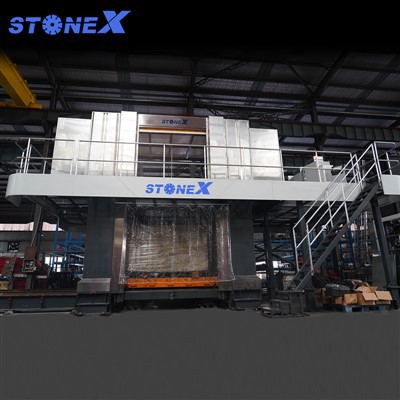
The cutting capacity of a Bridge Stone Saw Machine and a hand - held stone saw varies significantly. A Bridge Stone Saw Machine is capable of cutting large and thick stone slabs. It can handle stones with dimensions of several meters in length and width, and thicknesses ranging from a few centimeters to over a foot. The powerful motor and large - diameter saw blade of the Bridge Stone Saw Machine allow for deep and wide cuts, making it ideal for industrial - scale stone processing.
For example, our 800mm Blade Stone Bridge Saw is designed to cut through thick granite and marble slabs with precision. The large blade diameter provides a greater cutting depth, enabling users to process large pieces of stone in a single pass.
In contrast, a hand - held stone saw has a limited cutting capacity. Due to its small size and relatively less powerful motor, it is mainly suitable for cutting thin stone tiles, small stones, or making minor cuts on larger slabs. The cutting depth of a hand - held saw is usually limited to a few centimeters, and it may struggle to cut through very thick or hard stones.
Precision and Accuracy
When it comes to precision and accuracy, Bridge Stone Saw Machines have a clear advantage. The stationary design and advanced control systems of these machines ensure consistent and precise cuts. The saw blade moves along a pre - determined path, and the cutting parameters can be accurately adjusted. This results in straight, smooth, and accurate cuts, which are crucial for high - quality stone products such as countertops, tiles, and architectural elements.
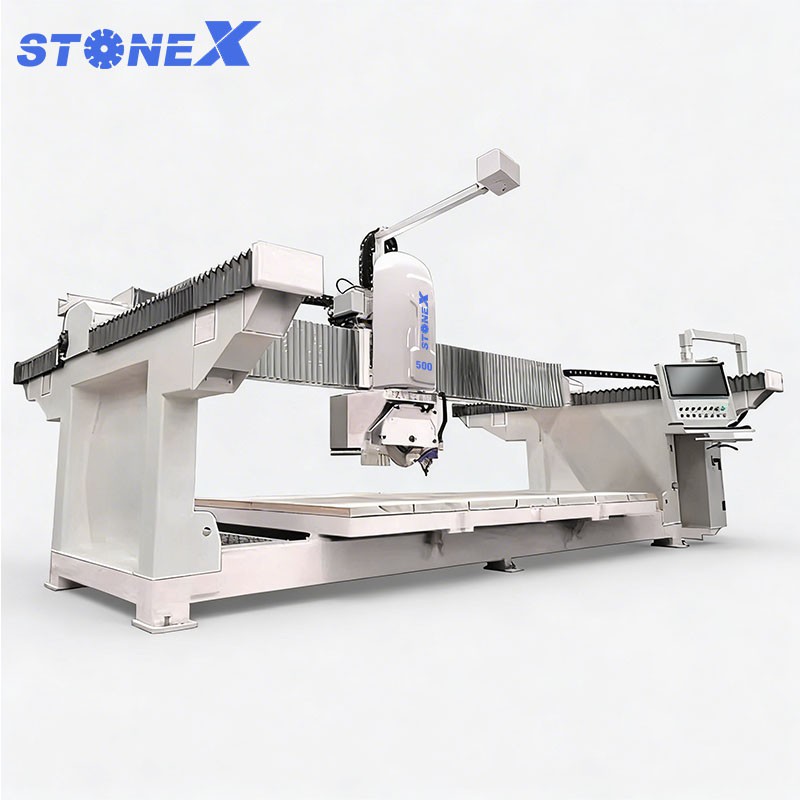
Our 5 Axis CNC Bridge Saw is a prime example of a high - precision Bridge Stone Saw Machine. The 5 - axis movement allows for complex cutting operations, such as bevel cuts, curves, and intricate shapes. The computer - numerical control (CNC) system ensures that the cuts are replicated with high accuracy, making it suitable for custom - made stone products.
Hand - held stone saws, while useful for certain tasks, are more prone to human error. The user's hand - eye coordination and steady hand are crucial for achieving accurate cuts. Slight tremors or misalignments can result in uneven or inaccurate cuts, especially when making long or straight cuts. However, with practice and skill, a skilled operator can achieve relatively good results with a hand - held saw for small - scale projects.
Speed and Efficiency
In terms of speed and efficiency, Bridge Stone Saw Machines outperform hand - held stone saws. The large motor and high - speed rotation of the saw blade in a Bridge Stone Saw Machine allow for rapid cutting. The automated movement of the saw blade along the bridge also reduces the time required for each cut. For large - scale stone processing projects, a Bridge Stone Saw Machine can significantly increase productivity, as it can cut multiple pieces of stone in a short period.
A hand - held stone saw, on the other hand, is slower. The manual operation and limited cutting capacity mean that it takes longer to complete a cutting task, especially for larger stones. Additionally, the user may need to take breaks to rest, which further reduces the overall efficiency.
Safety
Safety is an important consideration when using stone saws. Bridge Stone Saw Machines are generally safer to operate. They are equipped with safety features such as guards, emergency stop buttons, and safety interlocks. The stationary design also reduces the risk of the saw moving unexpectedly during operation. Operators can stand at a safe distance from the saw blade, minimizing the risk of injury.
Hand - held stone saws pose a higher risk of injury. The user is in close proximity to the saw blade, and there is a greater chance of the saw slipping or the blade binding. Additionally, the lack of safety guards on some hand - held saws can expose the user to flying debris and sharp edges. However, proper safety precautions, such as wearing protective gear and following operating instructions, can reduce the risk of injury when using a hand - held stone saw.
Applications
The different features of Bridge Stone Saw Machines and hand - held stone saws make them suitable for different applications. Bridge Stone Saw Machines are commonly used in stone processing factories, where large - scale production of stone products is required. They are ideal for cutting large slabs of granite, marble, and other stones into various shapes and sizes for countertops, flooring, and architectural elements.
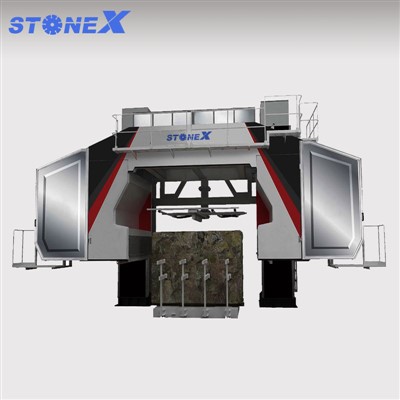
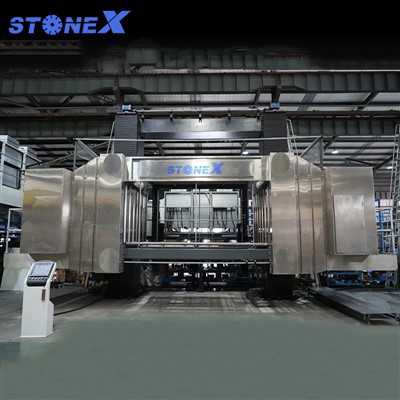
Our Stone Bridge Saw is a versatile machine that can be used for a wide range of applications. It can handle different types of stones and perform various cutting operations, making it a valuable asset in the stone processing industry.

Hand - held stone saws are more suitable for on - site work, such as installing stone tiles, making minor repairs, or cutting small pieces of stone. They are also useful for DIY projects and small - scale stone crafts. Their portability allows users to take them to different locations and perform cutting tasks where a large, stationary machine is not practical.
Cost
The cost of a Bridge Stone Saw Machine and a hand - held stone saw also differs significantly. Bridge Stone Saw Machines are generally more expensive. The high - quality materials, advanced technology, and large size of these machines contribute to their higher price. However, considering their long - term productivity and the quality of the cuts they produce, they can be a cost - effective investment for stone processing businesses.
Hand - held stone saws are relatively inexpensive. They are a more affordable option for small - scale users, DIY enthusiasts, or those who only need to perform occasional cutting tasks. The lower cost makes them accessible to a wider range of users.
Conclusion
In conclusion, the choice between a Bridge Stone Saw Machine and a hand - held stone saw depends on the specific requirements of the project. Bridge Stone Saw Machines offer high precision, large cutting capacity, speed, and safety, making them ideal for industrial - scale stone processing. Hand - held stone saws, on the other hand, are portable, affordable, and suitable for on - site work and small - scale projects.
If you are in the market for a Bridge Stone Saw Machine, I encourage you to contact us for more information. Our team of experts can help you choose the right machine for your needs and provide you with detailed product specifications and pricing. We are committed to providing high - quality products and excellent customer service. Let's start a conversation about how our Bridge Stone Saw Machines can enhance your stone processing operations.
References
- Stone Cutting Technology Handbook, 2022 Edition
- Industrial Stone Processing Guide, 2023