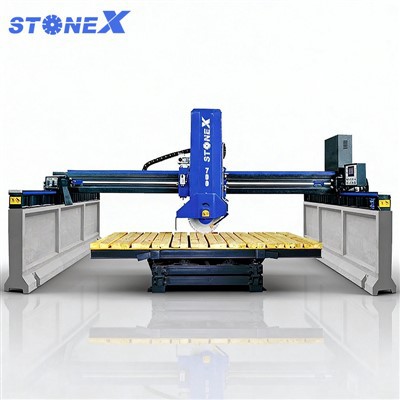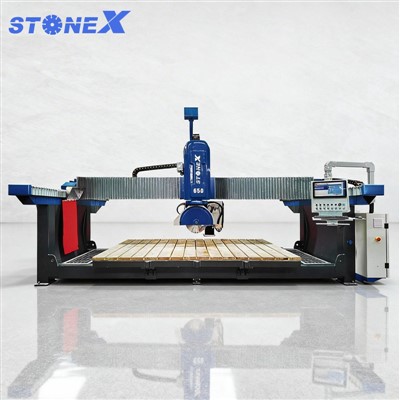


When it comes to cutting different materials using a bridge saw, selecting the right blade is crucial for achieving optimal results. As a bridge saw supplier, I understand the significance of this decision and the impact it can have on the efficiency and quality of your cutting operations. In this blog post, I will guide you through the process of choosing the right blade for various materials, ensuring that you make an informed decision that meets your specific needs.
Understanding the Basics of Bridge Saw Blades
Before delving into the details of choosing the right blade for different materials, it's essential to understand the basic components and characteristics of bridge saw blades. Bridge saw blades are typically made up of a metal core and diamond segments. The metal core provides the structural support for the blade, while the diamond segments are responsible for cutting through the material.
The diamond segments are the most critical part of the blade, as they determine the blade's cutting performance. The quality and type of diamonds used in the segments, as well as the segment's design and configuration, can significantly impact the blade's cutting speed, durability, and finish.
Factors to Consider When Choosing a Blade
When selecting a blade for your bridge saw, several factors need to be taken into account. These factors include the type of material you will be cutting, the thickness of the material, the desired finish, and the cutting speed.
Type of Material
The type of material you will be cutting is the most important factor to consider when choosing a blade. Different materials have different hardness, density, and abrasiveness, which require different types of blades. Here are some common materials and the recommended blades for cutting them:
- Granite: Granite is a hard and dense material that requires a blade with a high concentration of diamonds and a strong bond. Stone Cutting Bridge Saw equipped with a diamond blade specifically designed for granite cutting can provide excellent results. These blades typically have a high diamond concentration and a metal bond that can withstand the high pressure and heat generated during the cutting process.
- Marble: Marble is a softer and more porous material than granite, which requires a blade with a lower diamond concentration and a more flexible bond. Marble and Granite Bridge Saw with a blade designed for marble cutting can provide a smooth and clean cut. These blades typically have a lower diamond concentration and a resin bond that can prevent chipping and cracking.
- Quartz: Quartz is a hard and brittle material that requires a blade with a high diamond concentration and a strong bond. CNC 5 Axis Bridge Saw for Stone with a blade designed for quartz cutting can provide precise and accurate cuts. These blades typically have a high diamond concentration and a metal bond that can withstand the high pressure and heat generated during the cutting process.
- Ceramic: Ceramic is a hard and brittle material that requires a blade with a high diamond concentration and a strong bond. CNC Bridge Saw with a blade designed for ceramic cutting can provide clean and precise cuts. These blades typically have a high diamond concentration and a metal bond that can withstand the high pressure and heat generated during the cutting process.
Thickness of the Material
The thickness of the material you will be cutting also plays a role in determining the right blade. Thicker materials require a blade with a larger diameter and a higher diamond concentration to ensure efficient cutting. Thinner materials, on the other hand, can be cut with a blade with a smaller diameter and a lower diamond concentration.
Desired Finish
The desired finish of the cut is another important factor to consider when choosing a blade. If you require a smooth and polished finish, you will need a blade with a finer diamond grit. If you are looking for a rougher finish, a blade with a coarser diamond grit may be more suitable.
Cutting Speed
The cutting speed is also an important factor to consider when choosing a blade. Different blades have different cutting speeds, which can affect the efficiency and quality of your cutting operations. It's important to choose a blade that can provide the desired cutting speed without compromising the quality of the cut.
Tips for Choosing the Right Blade
Here are some tips to help you choose the right blade for your bridge saw:


- Consult with a Professional: If you are unsure which blade is right for your specific needs, it's always a good idea to consult with a professional. As a bridge saw supplier, I have extensive experience in helping customers choose the right blade for their cutting operations. I can provide you with expert advice and recommendations based on your specific requirements.
- Consider the Blade's Quality: The quality of the blade is crucial for achieving optimal results. It's important to choose a blade that is made from high-quality materials and has been manufactured to strict standards. A high-quality blade will provide better cutting performance, durability, and finish.
- Read the Manufacturer's Recommendations: The manufacturer's recommendations are a valuable source of information when choosing a blade. They can provide you with detailed information about the blade's specifications, performance, and compatibility with different materials. It's important to follow the manufacturer's recommendations to ensure that you are using the blade correctly and safely.
- Test the Blade: Before using the blade on a large project, it's a good idea to test it on a small sample of the material. This will allow you to evaluate the blade's cutting performance and determine if it is the right blade for your needs.
Conclusion
Choosing the right blade for your bridge saw is crucial for achieving optimal results. By considering the type of material you will be cutting, the thickness of the material, the desired finish, and the cutting speed, you can select a blade that is best suited for your specific needs. As a bridge saw supplier, I am committed to providing my customers with high-quality blades and expert advice to help them achieve the best possible results. If you have any questions or need assistance in choosing the right blade for your bridge saw, please don't hesitate to contact us for a consultation. We look forward to working with you to meet your cutting needs.
References
- "Diamond Blades: A Guide to Selection and Use." Stone World, vol. 34, no. 10, 2013, pp. 46-51.
- "Choosing the Right Diamond Blade for Your Application." Cutting Tool Engineering, vol. 65, no. 11, 2013, pp. 36-40.
- "Diamond Blade Technology: Advancements and Applications." Industrial Diamond Review, vol. 73, no. 3, 2013, pp. 12-17.