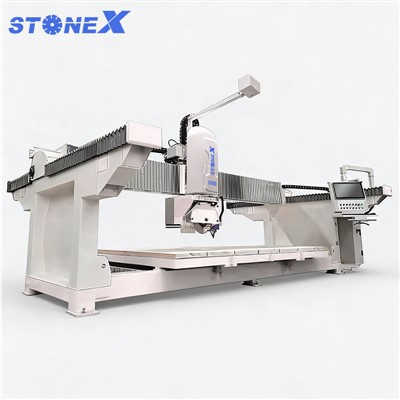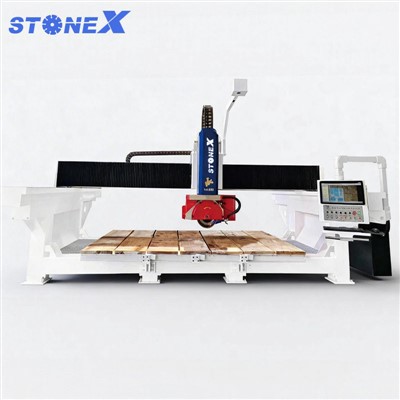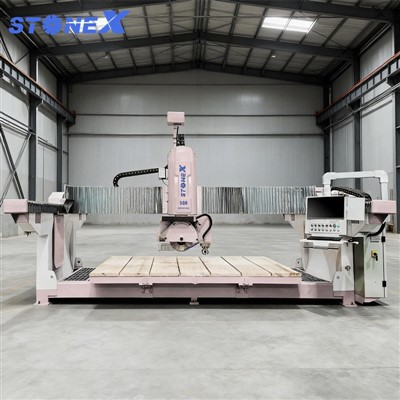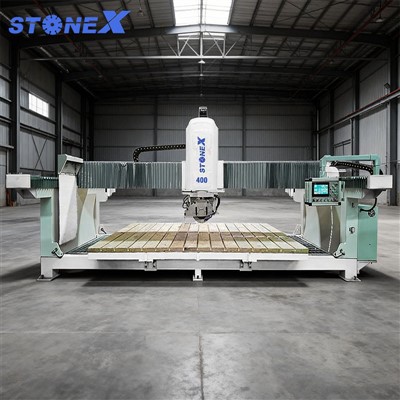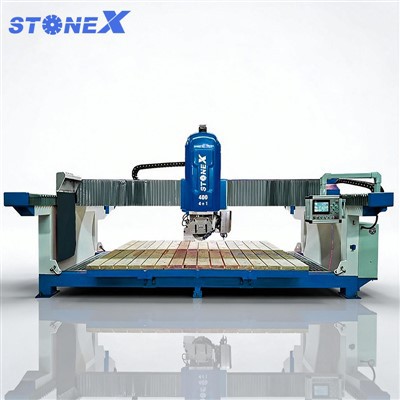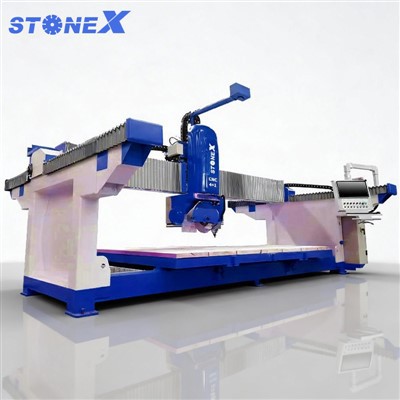

Modern block making machines utilize programmable logic controllers (PLCs) and human-machine interface touchscreens for control. They are equipped with data input devices, safety logic control, and fault diagnosis systems, facilitating operator monitoring and adjustment. The equipment can operate in manual, semi-automatic, and fully automatic modes, with configurable parameters for each actuator, contributing to product quality and efficiency. Some models employ automated control technology and intelligent interactive systems for visual operation, and are equipped with cloud service platforms or real-time remote monitoring and alarm systems.
Regarding vibration and material distribution, servo vibration systems and forced material distribution systems are employed, utilizing servo-driven multi-axis vibration, multi-axis multi-source vibration, vertical directional vibration technology, and grid direct-push reciprocating material distribution technology to achieve rapid and uniform material distribution and improve efficiency. The equipment is manufactured using high-strength steel with special welding techniques, ensuring high machine rigidity and weight. Three-cylinder pressurization technology ensures uniform stress on the concrete during molding. In terms of energy conservation and environmental protection, construction waste and industrial solid waste can be used to produce hollow bricks, solid bricks, and other building bricks; construction waste can account for more than 80% of the total raw materials.